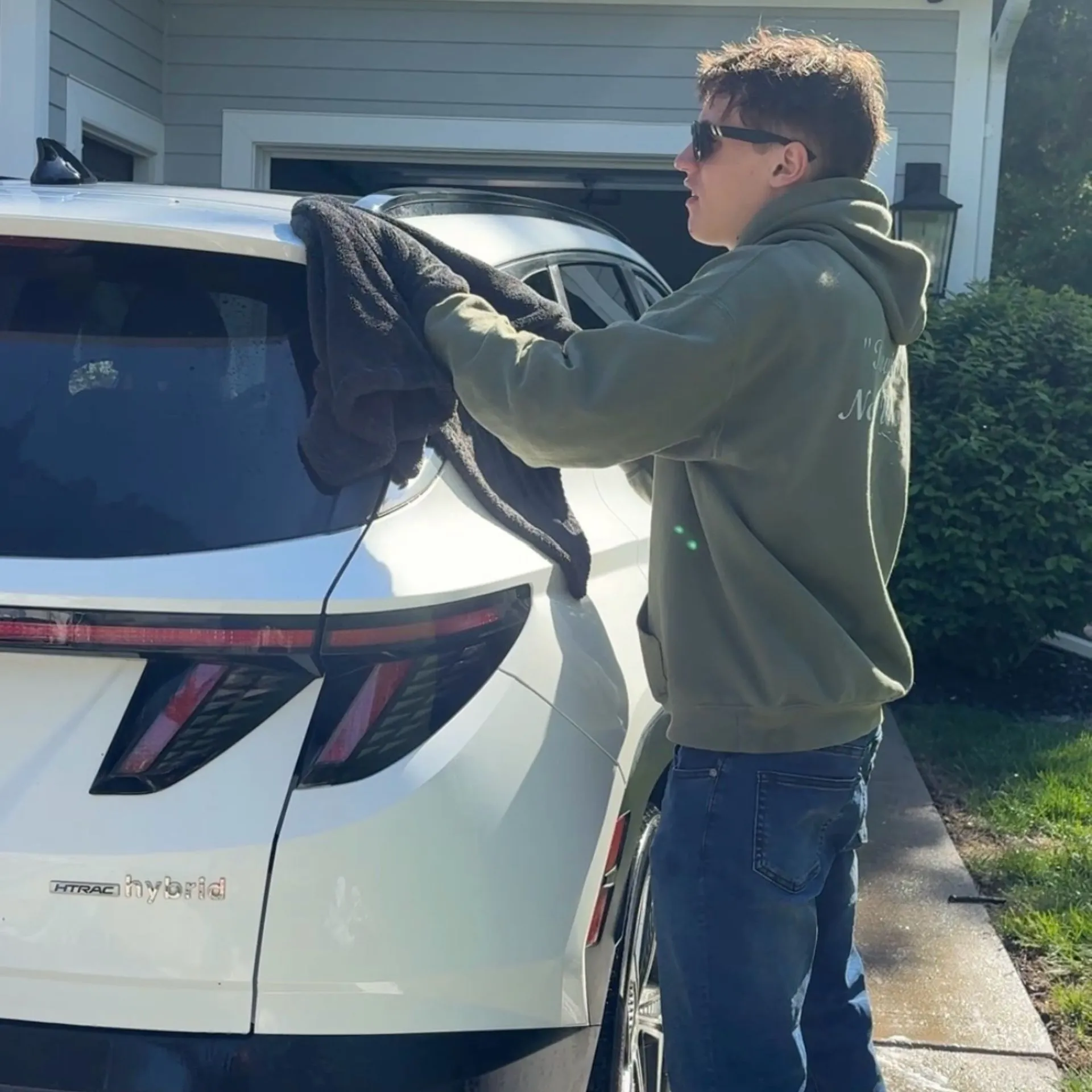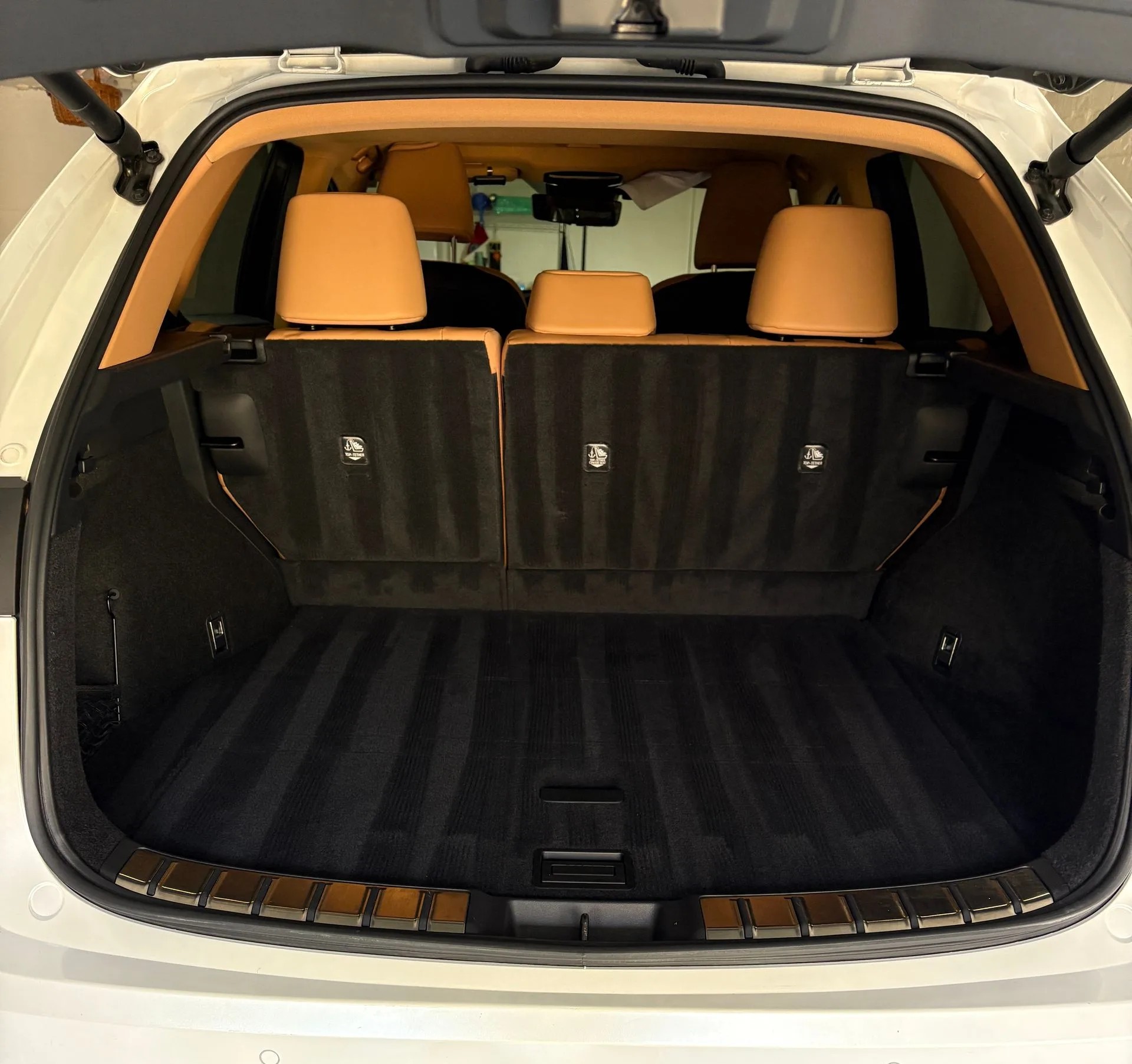
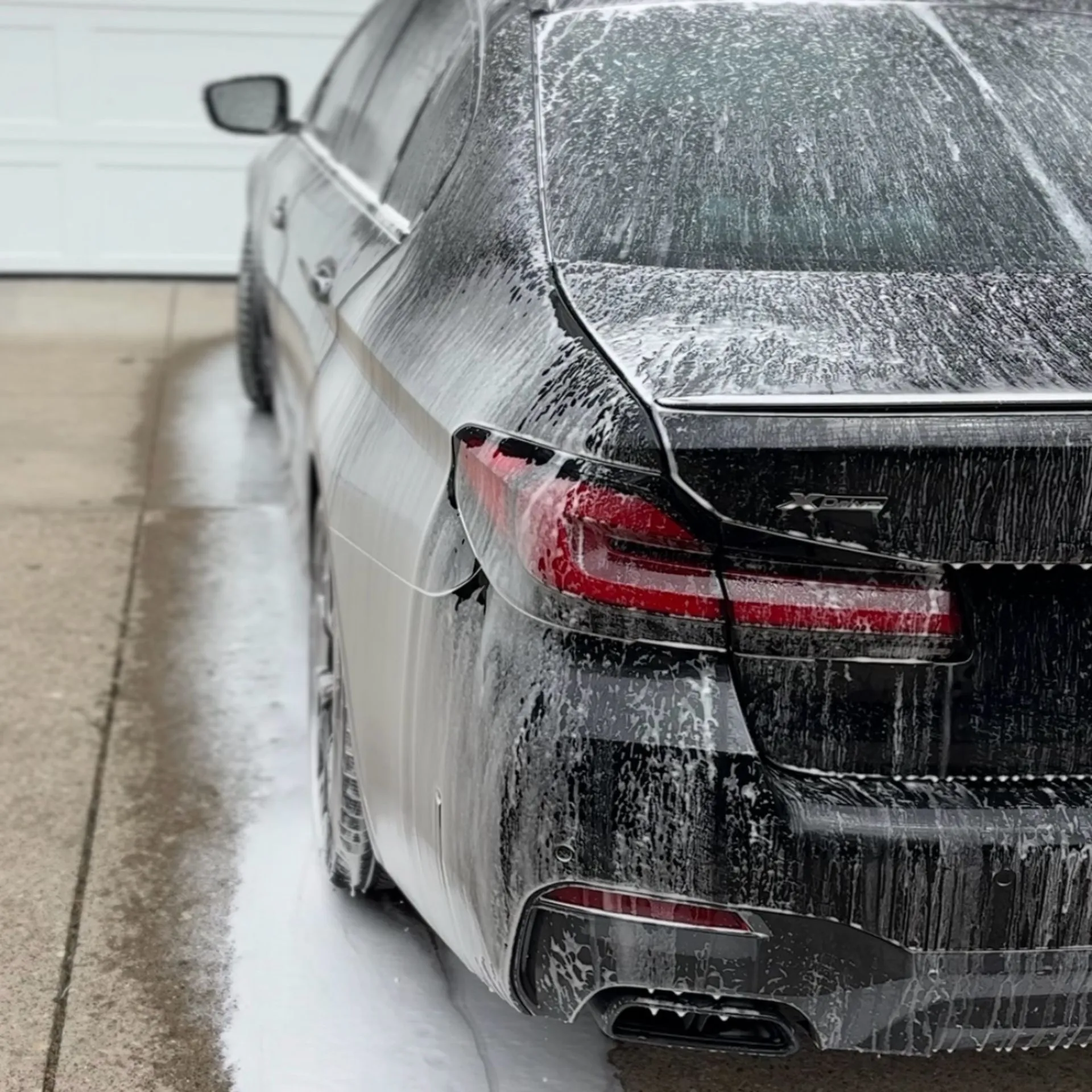
Fall looks harmless until wet leaves sit on your hood for two days. Then cold rain, dusty roads, and the first salt trucks show up almost overnight.
That’s why fall ceramic coating Des Moines scheduling makes sense. You’re getting the paint cleaned and protected before winter contamination builds up, rather than asking a coating to bond over months of neglected grime.
I’ve detailed vehicles here since 2019, and I drive the same I-235 traffic and salted roads you do. Fall isn’t a magic coating season, but it can be a very smart window if the preparation, weather, and curing plan all line up.
- Fall gives you a chance to clean, decontaminate, and protect paint before road salt arrives.
- Leaf residue, cool nights, and dirty fall rain can leave bonded grime that needs proper prep.
- Mobile coating appointments depend on temperature, moisture, workspace, and curing conditions.
- Booking before the first winter rush usually gives us more workable weather windows.
Why fall is a practical coating window
A ceramic coating needs clean, properly prepared paint. Early and mid-fall often give us enough moderate days to wash, decontaminate, polish where needed, apply the coating, and let it begin curing before deep cold becomes routine.
The real advantage is timing. Winter brings brine, road salt, dirty snow, and repeated freeze-thaw cycles. Coating the vehicle beforehand gives the clear coat a slick, chemical-resistant barrier that’s easier to maintain through those messy months.
That doesn’t mean the coating makes your vehicle maintenance-free. Nothing does. It means road film and salt are less likely to cling as stubbornly, washing is easier, and you have a sacrificial layer taking the abuse before the factory clear coat does.
- The paint can be fully washed and dried before application.
- Daytime and overnight temperatures fit the coating manufacturer’s requirements.
- The vehicle can stay dry during its initial cure period.
- You can avoid parking under shedding trees right after application.
What fall conditions do to your paint
Leaves are more than a cosmetic nuisance. Wet leaves can release organic residue and tannins, especially when they’re pinned against paint by rain. Let that mess bake through warm afternoons and cold nights, and it can leave staining or stubborn outlines.
Temperature swings create another problem. A warm panel can collect cool evening moisture, then dry with dust and minerals still on the surface. If you’ve already noticed spotting, our safe mineral-spot removal guide explains why aggressive scrubbing is the wrong move.
Then there’s ordinary road grime. Construction dust, oily traffic film, brake dust, bug residue, and dirty spray around I-35 all settle onto the vehicle. A quick wash may make the paint look better, but it won’t always remove bonded contamination.
A coating protects the paint condition we create during prep. It doesn’t hide contamination, scratches, or rushed wash work.
What proper fall coating preparation includes
We start with a careful hand wash, including wheels, tires, trim, badges, and the tight areas where grime collects. From there, the paint may need iron decon and a clay bar or synthetic clay process to remove particles that normal washing leaves behind.
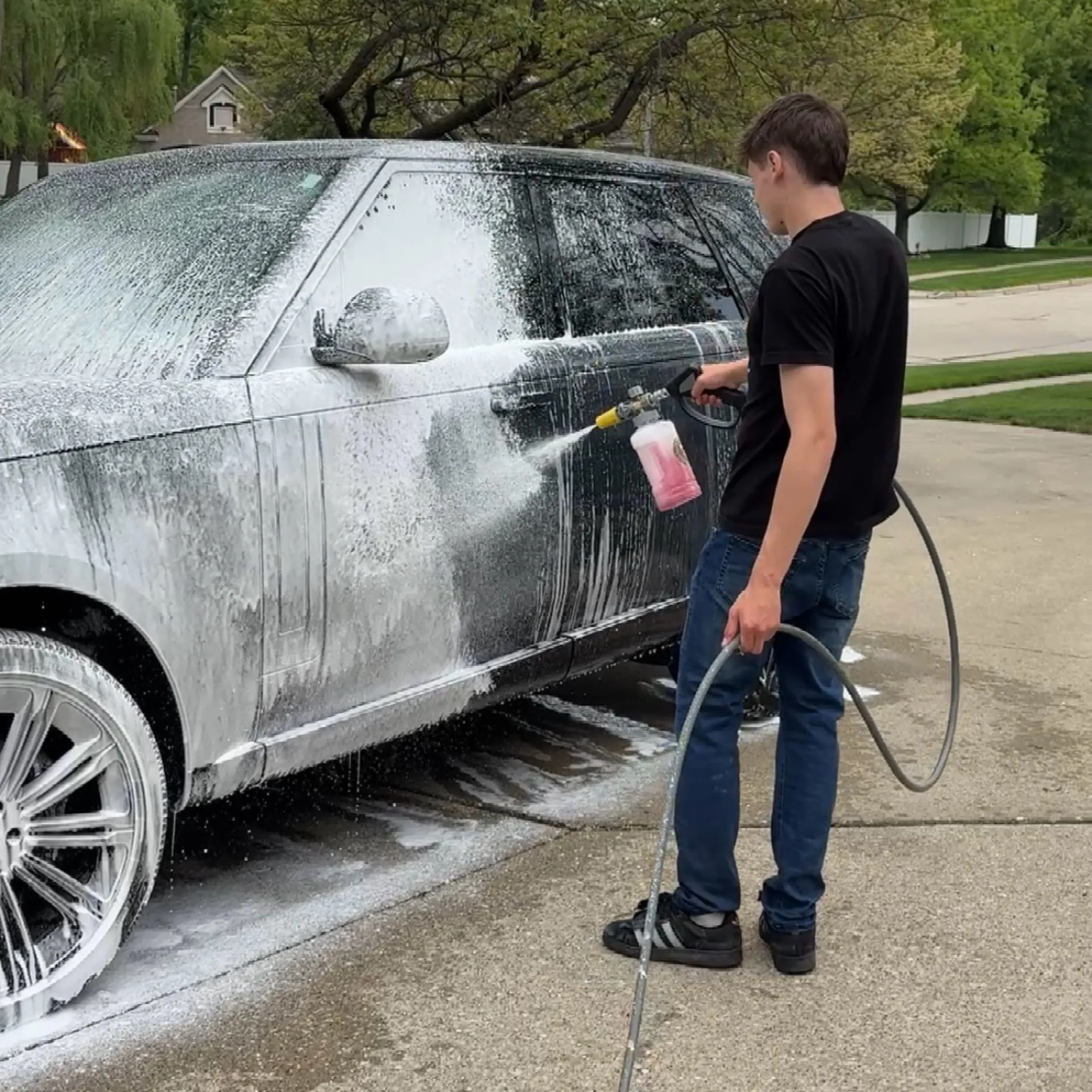
After decontamination, we inspect the paint under proper lighting. Some vehicles only need a light refining step. Others have haze, oxidation, wash marks, or deeper defects that should be discussed before coating. I’m trained in professional coating application and multi-stage paint correction, but I won’t recommend polishing steps your paint doesn’t need.
Why polishing may matter
A coating adds gloss and makes properly prepared paint look richer, but it isn’t liquid camouflage. If swirl marks are already visible in direct sun, they’ll still exist under the coating unless we correct them first. The goal is honest improvement, not chasing every last defect at the expense of clear coat.
Once prep is complete, the paint is wiped down to remove polishing oils and residue. Then we apply the selected coating in controlled sections, level it carefully, and inspect each panel for high spots. You can review our ceramic coating options before requesting an estimate.
How weather affects a mobile coating appointment
Here’s the thing. We come to you, so your workspace and the forecast both matter. Ceramic coating shouldn’t be applied while wind is dropping dust and leaves onto wet product, and fresh coating shouldn’t be exposed to rain before the required initial cure.
A clean garage is usually the best fall setup because it helps control wind, debris, dew, and sudden rain. We may also be able to work in another suitable covered space. The area needs enough room to move safely around the vehicle and open the doors without bumping walls or stored items.
Cold matters too. Every coating has its own application and curing range. If the panel, air, or overnight space will be too cold, we’ll talk about rescheduling instead of forcing the job. A rushed application on a poor weather day helps nobody.
Call +1 515-721-1738 to check fall coating availability and workspace requirements.
Plan for more than application time
The vehicle needs time for washing, decontamination, inspection, any agreed polishing, coating application, and initial curing. That can make the appointment longer than a standard exterior detail. Keep the vehicle available and avoid planning an immediate highway trip through rain or road spray.
What to expect after the coating is applied
The first hours and days matter. We’ll explain the specific cure instructions for the product used, including how long the vehicle should remain dry and when it can receive its first wash. Don’t assume every coating has the same timeline.
Keep wet leaves, sprinklers, bird droppings, and tree sap off the fresh coating as much as possible. If contamination lands on the paint during the early cure period, contact us before wiping at it with a dry towel. Dry rubbing can create marks fast.
- Follow the provided no-water and first-wash timeline.
- Use a pH-neutral automotive soap and clean wash media.
- Skip automatic tunnel brushes that can create fresh marring.
- Remove bird droppings and heavy contamination promptly and safely.
- Use a proper drying towel instead of letting mineral-rich water air-dry.
The coating does the protecting, but your wash routine decides how good the finish looks over time.
If you’re preparing a vehicle for a private sale instead of long-term ownership, read our pre-sale detailing checklist. A coating can be useful, but it isn’t automatically the right expense for a vehicle you’re about to sell.
Why booking before salt season matters
Once winter treatment starts, prep usually becomes harder. Lower panels, wheel arches, rocker areas, and rear bumpers collect salty film quickly. That residue needs to be removed thoroughly before polishing or coating, and repeated freezing weather gives us fewer practical mobile workdays.
Fall scheduling gives us room to watch the forecast and choose a sensible window. Waiting until the night before the first snow can leave you with poor temperatures, wet roads, and no suitable cure time. Earlier is easier. Simple as that.
Salt resistance also isn’t permission to leave the vehicle dirty until spring. Rinse and wash it when conditions allow, paying attention to lower sections and wheels. The Iowa DOT’s winter operations information is useful for understanding how weather and roadway treatment affect local driving conditions.
Is late fall too late?
Not always. If we have an appropriate workspace, suitable temperatures, dry roads, and enough cure time, a later appointment may still work. But flexibility becomes more important as nights get colder and forecasts change faster.
Coverage, routes, and choosing your date
We’re usually out in West Des Moines on weekday mornings, depending on the week’s route and job length. Grouping appointments by area helps us spend less time driving and more time working, but coating appointments still need extra room in the schedule for prep and curing.
If you commute near the East Village, park around Gray’s Lake, or keep your vehicle under mature trees in Beaverdale or the Drake area, tell us. Those details help us understand the contamination you’re dealing with and whether covered space will be especially important.
Before booking, we’ll want to know the vehicle’s year, model, color, current paint condition, parking setup, and your protection goals. Photos help, but an in-person inspection may reveal bonded contamination or defects that don’t show up on a phone camera.
I’ve personally worked on well over 1,500 cars, trucks, boats, and RVs in this metro. My advice is straightforward. Pick a coating based on how long you’ll keep the vehicle and how you’ll maintain it, then schedule for conditions that let us apply it correctly.
Where we detail, and what you need ready
We bring the detailing and coating setup to your home or another approved workspace, and a few site details help the appointment run smoothly.
We cover Des Moines plus West Des Moines, Urbandale, Ankeny, Waukee, Johnston, Clive.
- Enough clear space to work safely around the entire vehicle.
- Access to water or power when the scheduled service requires it.
- The vehicle keys available for moving, inspection, and panel access.
- The vehicle moved out of the garage before arrival if we need that space for setup or cleaning.
- A clean, covered area for coating application and initial curing when weather requires one.
Our standard travel radius is 30 miles from our Beaverdale and Drake home base area. Trips beyond that radius may be possible with an agreed trip fee.
Questions we actually get asked
Is fall a good time to ceramic coat a car?
Yes, if temperatures, moisture, workspace, and cure time meet the coating product’s requirements. Fall lets us prepare and protect the paint before road salt and winter grime become constant problems.
How long does a mobile ceramic coating appointment take?
Timing depends on vehicle size, contamination, paint condition, polishing needs, and the selected coating. It’s normally a longer appointment than a basic exterior service because proper cleaning, decontamination, inspection, application, and curing can’t be rushed.
Do I need a garage for mobile ceramic coating?
A clean garage or suitable covered workspace is strongly preferred during fall. It protects the application from wind, falling leaves, dew, rain, and rapid temperature changes. We’ll review your setup before confirming the appointment.
Can you apply a coating in my driveway?
Sometimes, but only if the weather, wind, debris, temperature, and curing plan are appropriate. Open-air driveway application can be risky in fall, so a covered space may be required or the appointment may need a different date.
Do you provide mobile coating service in West Des Moines?
Yes, that area is within our normal metro coverage when the address falls inside the 30-mile radius. Route timing varies, and trips beyond the standard radius may carry an agreed travel fee.
Will ceramic coating stop road salt damage completely?
No. It provides a chemical-resistant sacrificial barrier and makes grime easier to remove, but the vehicle still needs safe washing. Salt should not be allowed to build up for the entire winter.
Sources worth reading
Fall gives you a useful head start. Proper prep now can make winter washing easier and put a protective barrier between your clear coat and months of leaf residue, dirty road spray, and salt.
Noble Detailing, +1 515-721-1738, serves the Des Moines metro service area with no storefront. Check our Google Business Profile reviews, then call or book your mobile coating appointment.
Want this done in your own driveway?
Tell us the vehicle, your zip and what you're after. We bring the truck, the water and the power to you anywhere in Des Moines and up to 30 miles out.
I've been detailing vehicles across Des Moines since 2019, I'm trained in professional ceramic coating application and multi-stage paint correction, and I've personally worked on well over 1,500 cars, trucks, boats and RVs in this metro. I live here. I drive the same salted winter roads you do.