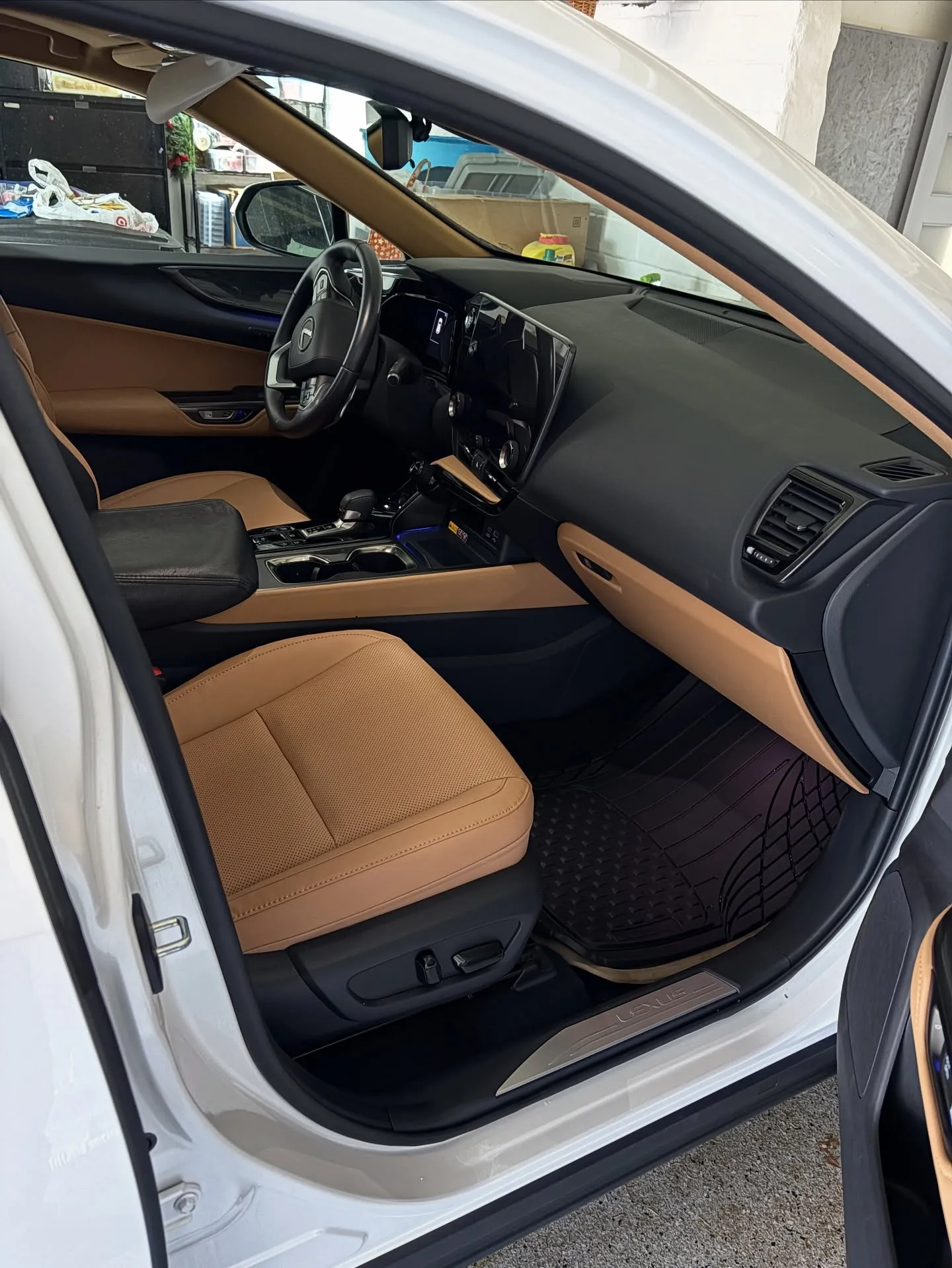
Leather seats can look tough, but the wrong cleaner can leave them shiny, sticky, or permanently discolored. If you're wondering how to clean leather car seats safely, the trick is controlled moisture, gentle agitation, and less product than you probably expect.
Most modern automotive leather has a protective coating over the color layer. You’re usually cleaning that coating, not feeding exposed animal hide. That changes how cleaners, conditioners, and protectants should be used.
I deal with salted roads, summer heat, spilled coffee, sunscreen, and everyday family messes in Des Moines vehicles. Here’s the process we use as part of our mobile detailing services, adjusted so you can safely handle routine leather care at home.
- Vacuum first so grit doesn't scratch the leather during cleaning.
- Use a leather-safe cleaner, soft brush, and clean microfiber towels.
- Apply conditioner or protectant lightly, then buff away every bit of residue.
- Shiny, sticky, stained, or heavily soiled seats may need professional cleaning.
Know what kind of seat surface you have
Most leather seats in newer vehicles are coated with a thin protective finish. Some seating surfaces mix real leather with vinyl or synthetic panels. Others use fully synthetic upholstery that looks and feels close to leather.
That matters because a heavy oil-based conditioner may sit on top instead of soaking in. The result is a greasy surface that grabs dust and transfers product onto clothing. Look, leather shouldn’t feel slippery after you clean it.
Check the owner’s manual for material-specific warnings. Then test your cleaner on a hidden section near the lower seat edge. If the towel picks up seat color, or the finish becomes darker or tacky, stop.
Pay extra attention to damaged areas
Cracks, worn bolsters, open seams, and peeling coatings need a lighter touch. Cleaner can enter damaged material and make an existing problem more visible. Cleaning won’t repair lost color or a failed topcoat.
Gather simple tools and prepare the seats
You don’t need a shelf full of chemicals. You need the right few tools, clean towels, and enough time to avoid rushing from one seat to the next.
- Vacuum with a soft brush or crevice attachment
- Automotive leather cleaner with a mild, leather-safe formula
- Soft interior brush with flexible bristles
- Several clean, light-colored microfiber towels
- Small foam or microfiber applicator pad
- Water-based leather protectant made for coated automotive seats
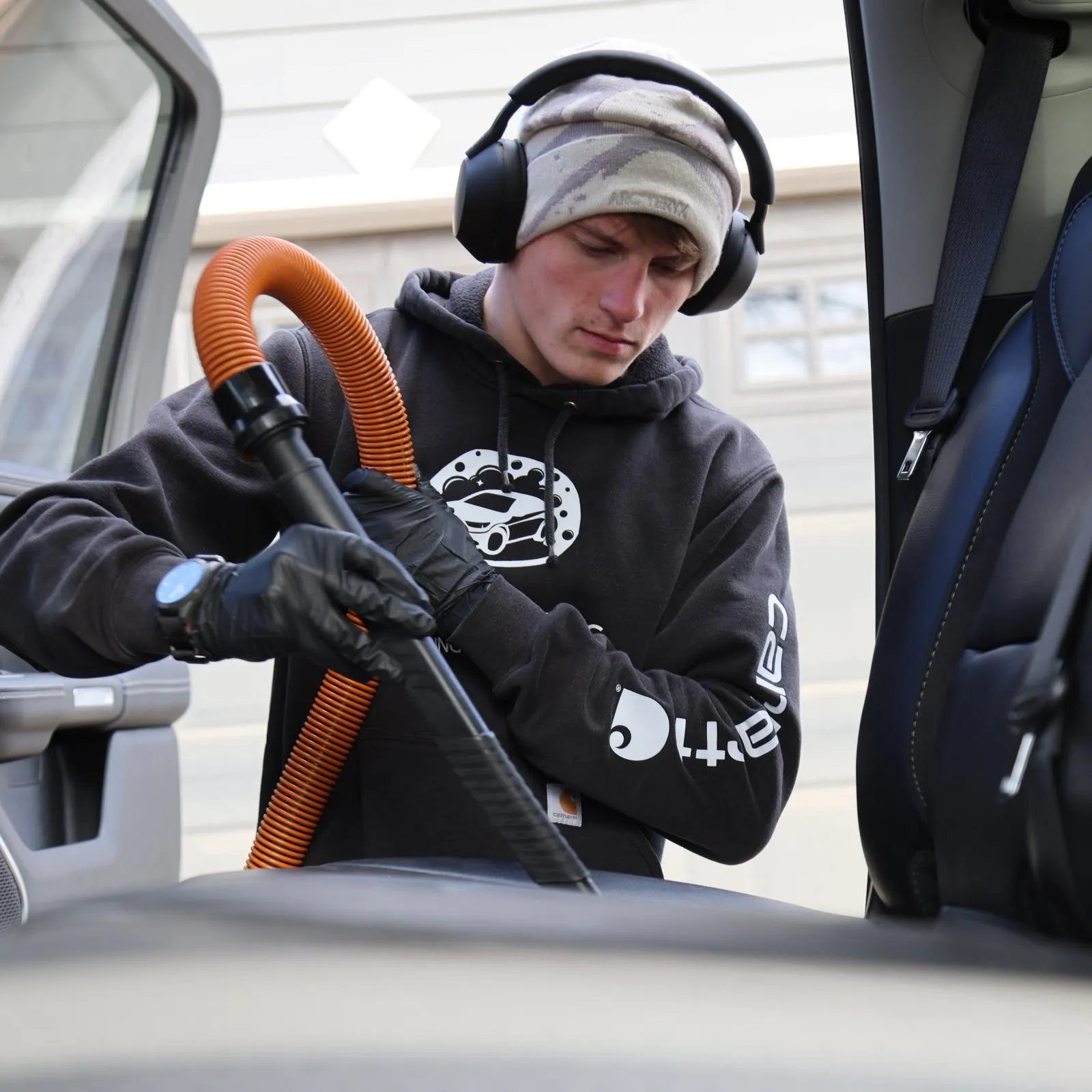
Start with a thorough vacuum. Open the seams gently with your fingers and pull out crumbs, sand, and grit. If that debris stays behind, your towel can drag it across the finish and create fine scratches.
Never use a stiff tire brush, household degreaser, magic eraser, furniture polish, or oily dressing on automotive leather.
Clean leather seats one small section at a time
Work out of direct sun with the seats cool to the touch. Heat makes cleaner dry too quickly and can leave uneven marks. Divide each seat into manageable sections, such as one bolster or half of the seat bottom.
- Vacuum every seam, crease, and perforated area.
- Test the cleaner on a hidden section and inspect it after drying.
- Apply cleaner to your brush or towel instead of soaking the seat.
- Agitate gently with overlapping circular motions. Don’t scrub hard.
- Wipe away suspended dirt with a clean microfiber towel.
- Use a second towel that is barely damp to remove leftover cleaner.
- Dry the section completely before judging the result or applying protection.
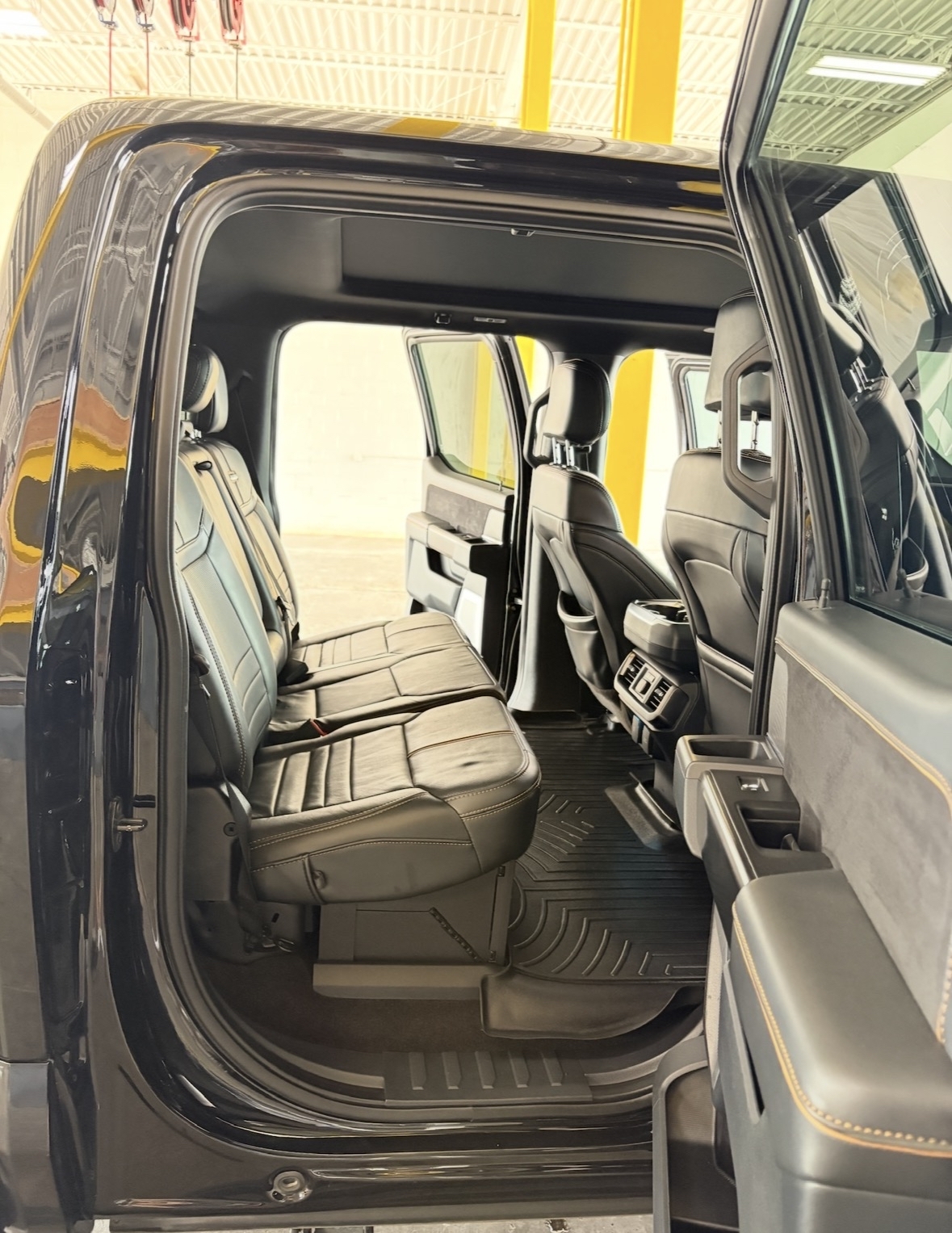
Perforated leather needs special care. Spray the product into the brush or towel, not directly over the holes. Too much liquid can enter the seat foam, collect around electronics, or leave cleaner trapped inside the perforations.
Change towel sides often. A dark towel hides the dirt you’re removing, so I prefer lighter towels for this step. If the towel keeps coming away dirty, repeat with another light pass instead of attacking the seat with more pressure.
Condition and protect without a greasy finish
Here’s the thing. Modern coated leather usually doesn’t absorb thick conditioner the way an unfinished leather item would. A light water-based protectant is often the better choice because it supports the topcoat without leaving a slick film.
Apply a small amount to an applicator, spread it into a thin layer, and follow the product’s dwell instructions. Then buff the surface firmly with a clean towel. The final finish should look natural and feel dry, not glossy.
Don’t apply dressing to the steering wheel, pedals, shift controls, or any surface where grip matters. A slippery steering wheel is a safety problem, even if the product smells great.
Want us to handle it at your driveway? Call Noble Detailing at +1 515-721-1738.
Avoid the mistakes that damage leather
The biggest mistake is assuming stronger cleaner means a cleaner seat. Harsh chemicals can dull the factory coating, pull color from worn areas, and dry out exposed material. Steam can also cause trouble if heat and moisture are concentrated in one spot.
- Soaking perforated seats with sprayed cleaner
- Scrubbing hard enough to remove dye or coating
- Using bleach, alcohol-heavy cleaner, or household degreaser
- Leaving conditioner unbuffed and greasy
- Applying shiny dressing to a steering wheel
- Trying to clean cracked or peeling material like an intact seat
- Letting cleaner dry on a hot seat
Healthy automotive leather usually has a soft satin appearance. A mirror-like shine often comes from body oil, old dressing, and embedded grime.
And don’t chase perfection on worn leather. A dark crease may be missing coating rather than holding dirt. Repeated scrubbing can turn normal wear into obvious damage.
Know when professional interior detailing is needed
Routine surface dirt is a reasonable do-it-yourself job. Deep dye transfer, sticky residue, heavy body-oil buildup, pet messes, smoke odor, and stains around perforations call for more controlled methods.
Professional help also makes sense if you’re unsure whether the seat is leather, vinyl, or synthetic upholstery. During an interior deep clean, we can adjust the brush, chemical strength, dwell time, and extraction method around each material.
I’ve been detailing vehicles across Des Moines since 2019 and have personally worked on well over 1,500 cars, trucks, boats, and RVs in this metro. Experience helps because a stain, coating failure, and normal wear can look similar until you inspect them closely.
- The seat still feels sticky after a gentle cleaning
- Color appears on your towel during the test spot
- Odor returns after the surface dries
- Dirt is packed into stitching or perforations
- The seat has pet waste, vomit, mildew, or unknown residue
- You see cracking, peeling, or widespread dye loss
Keep clean leather looking natural
Vacuum crumbs and grit before they settle into the seams. Wipe fresh spills with a clean damp towel, then dry the area. For a daily driver, light and frequent care is safer than waiting until the seats need aggressive scrubbing.
We’re usually out in West Des Moines on weekday mornings, often routing across I-235 between appointments. For larger recreational interiors, our Boat Detailing Des Moines Lake Guide | Noble Detailing and RV Trip and Storage Interior Checklist | Noble Detailing cover material care beyond everyday cars and trucks.
Clean spills quickly, keep grit out of the seams, and use thin product layers. Those three habits prevent most avoidable leather problems.
Where we detail, and what you need ready
Noble Detailing is fully mobile, so we perform the service where your vehicle is parked near our Beaverdale and Drake home base on the Des Moines side of the metro.
We cover Des Moines plus West Des Moines, Urbandale, Ankeny, Waukee, Johnston, Clive.
- Enough space around the vehicle for us to open the doors and work safely
- Access to water or power if requested for the selected service
- Keys or an unlocked vehicle at the appointment time
- The vehicle moved out of the garage before we arrive
Our normal travel radius is 30 miles from home base. Appointments beyond that radius may be available with a trip fee based on distance and scheduling.
Questions we actually get asked
Can I use dish soap to clean leather car seats?
I don’t recommend it. Dish soap is made to cut grease and can leave automotive leather dry, dull, or covered in residue. Use a cleaner labeled for coated automotive leather, and test it in a hidden area first.
How often should leather car seats be conditioned?
There isn’t one schedule for every vehicle. Modern coated leather often benefits more from gentle cleaning and a light water-based protectant than frequent heavy conditioning. Inspect high-contact areas every few months and treat them only when needed.
Why are my leather seats shiny and sticky?
Shine and stickiness often come from body oil, sunscreen, food residue, or excess dressing. A gentle leather-safe cleaning followed by a dry microfiber buff may restore the original satin appearance. Stop if color transfers to the towel.
Do you offer mobile leather seat cleaning in Des Moines?
Yes. Noble Detailing brings the tools and products to your driveway or other suitable parking area. The vehicle needs enough working space around it, and we’ll confirm any water or power needs before the appointment.
How far will you travel for mobile interior detailing?
Our standard service radius is 30 miles from our home base. We may accept appointments beyond that radius with a trip fee, depending on the distance, service size, and route availability.
Can professional cleaning repair cracked or peeling leather?
No. Cleaning can remove soil and improve the appearance around worn areas, but it can’t replace missing dye, repair split material, or restore a failed factory coating. Those problems may require automotive upholstery repair or refinishing.
Sources worth reading
Safe leather care isn’t about soaking the seat in expensive conditioner. Vacuum first, clean gently, control moisture, and buff protection until the surface feels completely dry.
If the leather is heavily soiled or you’d rather not risk the factory coating, let us handle it at your driveway. Check Noble Detailing’s Google Business Profile reviews, then call or book your mobile appointment.
Want this done in your own driveway?
Tell us the vehicle, your zip and what you're after. We bring the truck, the water and the power to you anywhere in Des Moines and up to 30 miles out.
I've been detailing vehicles across Des Moines since 2019, I'm trained in professional ceramic coating application and multi-stage paint correction, and I've personally worked on well over 1,500 cars, trucks, boats and RVs in this metro. I live here. I drive the same salted winter roads you do.