A tiny sap spot can become a paint problem faster than most owners expect. Safe tree sap removal from car Des Moines drivers can use starts with patience, gentle products, and absolutely no scraping.
Spring and summer parking beneath maples, pines, and other mature trees can leave sticky droplets across the hood, roof, glass, and trunk. Sunlight then bakes those droplets into the surface during a workday, especially if the vehicle sits near I-235 or in an open parking lot.
Here’s what you can safely try at home, what I’d keep far away from your paint, and how we handle sap that has already bonded to the clear coat.
- Work on tree sap early, before heat bonds it to the clear coat.
- Start with a normal wash, then use a paint-safe sap remover and clean microfiber towel.
- Don't scrape sap with a razor, fingernail, kitchen sponge, or dry towel.
- Hardened spots may need chemical decontamination, a clay bar, or careful polishing.
Why tree sap should be handled quickly
Fresh sap is usually easier to soften and lift. Once it sits through several hot afternoons, it loses moisture, hardens, and grabs the surface more tightly. Dirt also sticks to it, turning each spot into a gritty little bump.
Sap isn’t all the same. Some droplets feel like syrup, while older ones can resemble clear glue or amber-colored resin. A spot may also contain insect residue, pollen, and dust, so rubbing it dry can leave swirl marks around the contamination.
Look, don’t panic if you find sap after parking beneath a tree in the East Village or near Gray's Lake. Most fresh deposits can be addressed safely. The goal is to soften the sap and transfer it into a towel, not grind it across the panel.
A safe DIY method for fresh sap
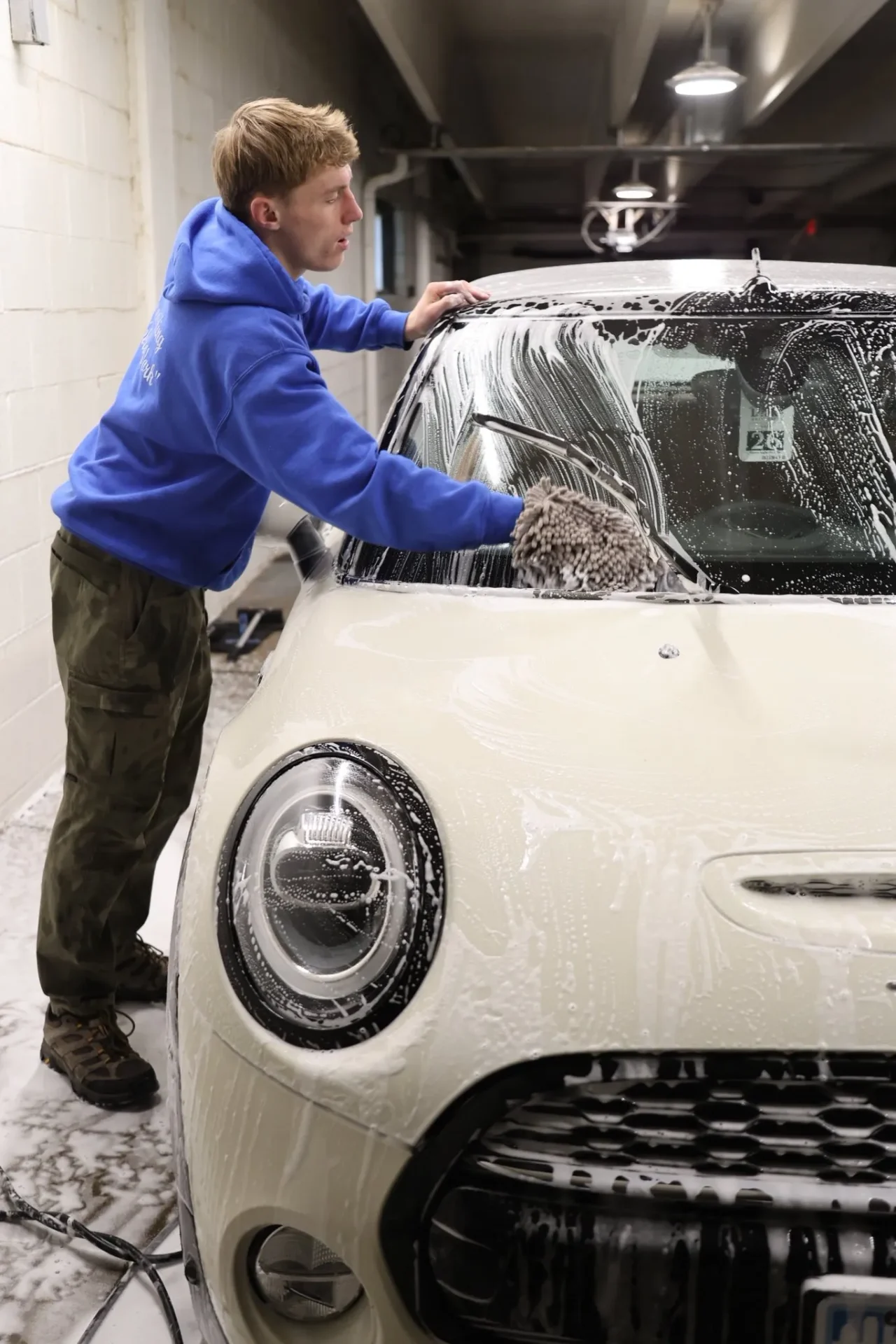
Begin in the shade with paint that feels cool to your hand. Rinse loose dust away, then wash the affected panel with automotive shampoo. A proper wash removes the grit surrounding the sap before you touch the spot directly.
What you’ll need
- Automotive shampoo and clean wash media
- Several soft microfiber towels
- A paint-safe bug, tar, or tree sap remover
- Clean water for rinsing
- A spray wax or paint sealant for short-term protection
Apply the remover according to its label. I prefer putting a small amount on a folded microfiber towel, holding it against the sap for 30 to 60 seconds, and checking whether the deposit has softened. This gives the product time to work without flooding the entire panel.
Wipe with light pressure in short passes. Turn the towel as it picks up residue. If the sap stays hard, apply more product and wait again rather than pushing harder. Two or three gentle rounds are safer than one aggressive scrub.
Test any chemical on a small, low-visibility painted area first. Stop if you see color transfer, unusual hazing, or a change in gloss.
Once the spot is gone, wash or rinse the area and dry it with a clean towel. Sap removers can weaken waxes and sealants, so apply fresh protection afterward. Our exterior detail service includes a careful wash and paint decontamination when home treatment isn’t enough.
What not to use on automotive paint
The quickest-looking solution is often the one that causes damage. A razor blade can work on exterior glass when used correctly, but it has no place on painted panels. Fingernails, plastic cards, and pocket tools can also dig into softened clear coat.
- Household scouring pads or melamine foam
- Acetone, paint thinner, gasoline, or brake cleaner
- A dry paper towel or bath towel
- Hot water poured onto a cold panel
- Aggressive rubbing with a clay bar
- Automatic brush washes as a sap-removal method
Hand sanitizer and strong rubbing alcohol are common internet suggestions. They may soften certain residues, but both can affect existing protection and create staining if they dry on warm paint. A purpose-made automotive product gives you more control.
And don’t reach for a clay bar first. Clay is useful for light bonded contamination after washing, but it can mar the finish when dragged over a thick sap deposit. The bulk of the sap needs to be chemically softened and removed before claying begins.
When sap needs professional decontamination
Professional help makes sense when the sap has hardened, covers several panels, or refuses to soften after a careful attempt. Repeated home treatments can strip protection and increase the chance of rubbing damage. That’s the point where stopping is smart.
We start with a controlled wash, inspect the deposits, and test the least aggressive chemical process. Remaining contamination may need a synthetic clay towel or clay bar with plenty of lubrication. Every panel gets checked under direct lighting as we work.
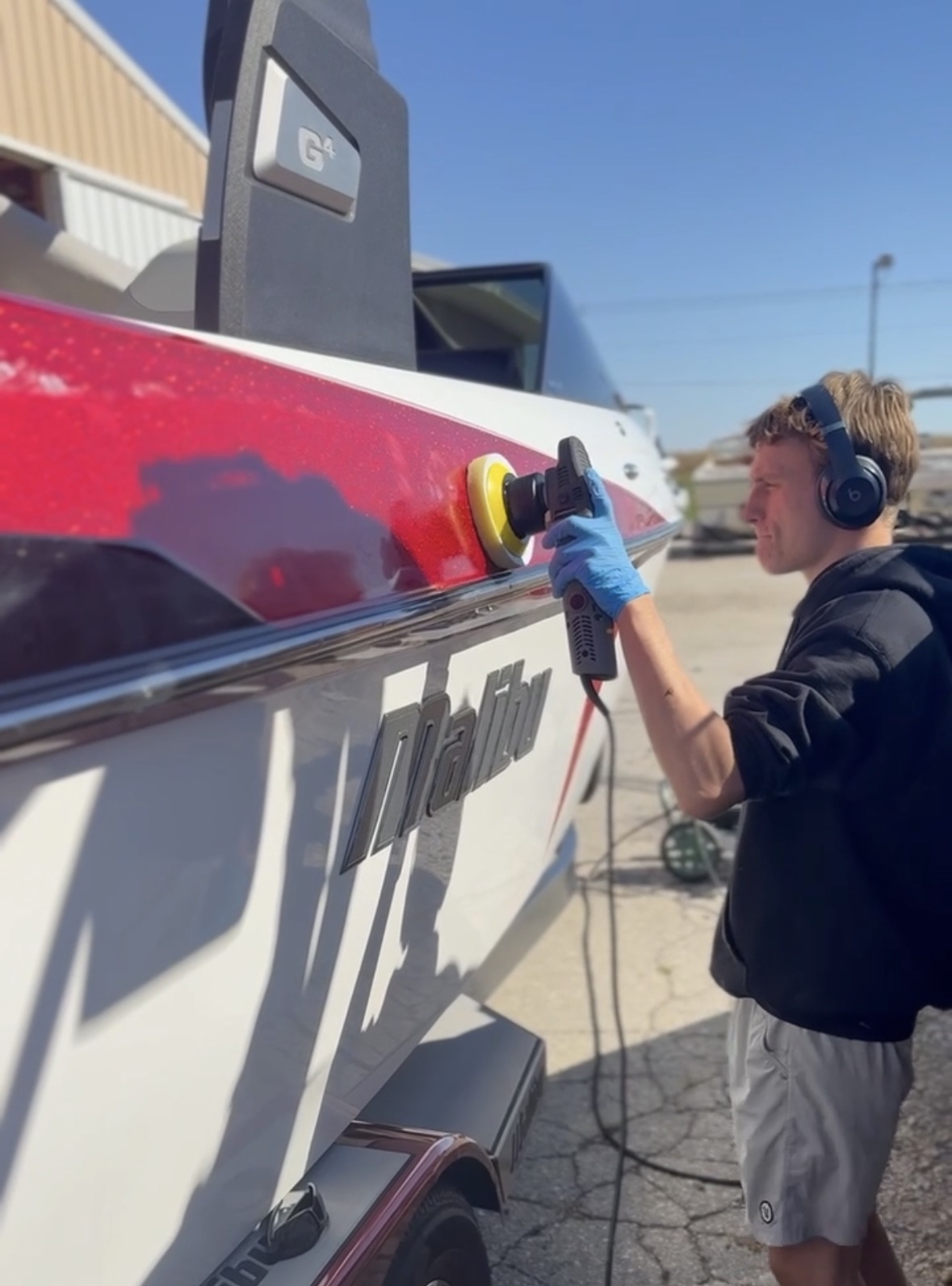
If a shadow or dull ring remains after the sap is gone, the clear coat may be etched. Light machine polishing can often improve that mark. Deeper damage needs a careful inspection because polishing removes a tiny amount of clear coat and shouldn’t be treated as an unlimited reset button.
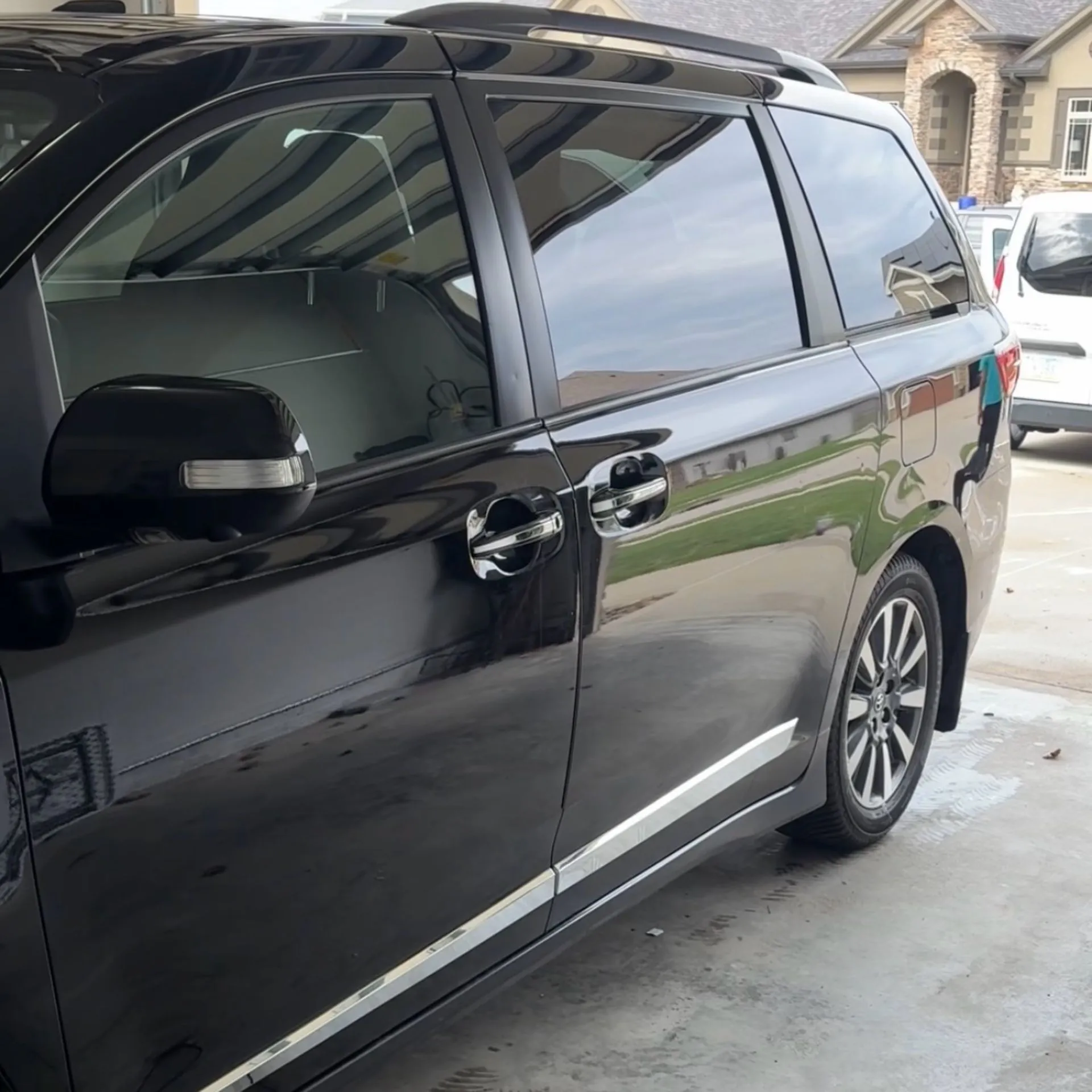
I’ve detailed vehicles across the metro since 2019 and have personally worked on well over 1,500 cars, trucks, boats, and RVs. Training in multi-stage paint correction helps me decide whether a mark needs another cleaning step or actual polishing. For visible etching, our paint correction service is the relevant next step.
Call +1 515-721-1738 or [request mobile sap removal](/contact) before another hot day bakes it in.
Why a mark can remain after the sap is gone
Sometimes the surface feels smooth, yet you can still see a faint outline. That may be a stain in the upper clear coat, an etched edge, or a difference in gloss where the surrounding paint weathered around the deposit.
A strong solvent won’t repair etching. Neither will another round of hard scrubbing. If the mark only becomes obvious under a bright inspection light, a light polish may be enough. If it catches a fingernail or shows cracking, expectations need to stay realistic.
The right question isn’t, “What’s the strongest product?” It’s, “What’s the least aggressive process that will safely solve this?”
After correction, paint protection makes future cleanup easier, though it can’t make a vehicle sap-proof. A professionally applied ceramic coating adds chemical resistance and slickness. Sap still needs prompt removal, but it’s less likely to cling directly to bare, unprotected clear coat.
How our mobile sap removal service works
We bring the detailing setup to your driveway or workplace. We’re usually out in Urbandale on weekday mornings, with routes through Ankeny and Johnston scheduled around existing appointments. Parking access and enough working room matter more than being close to a commercial district.
Before booking, send a few clear photos in shade and tell us how long the sap has been present. Wide photos show the number of affected panels. Close photos help us spot thick deposits, staining, or possible etching, though the final call happens after an in-person inspection.
Sap removal can sometimes be handled as part of a full exterior service. Heavy contamination or polishing adds time, so accurate photos help us plan the appointment. If you’re also cleaning up after summer travel, our recent boat detailing guide covers similar habits for catching organic residue early.
Simple ways to reduce future sap problems
You can’t always avoid tree parking. Shade feels like the obvious choice during an Iowa summer, and many older neighborhoods have mature trees along driveways and parking areas. A few habits still make a big difference.
- Inspect the hood, roof, and trunk after parking beneath trees.
- Keep a clean microfiber towel and paint-safe spot cleaner in the vehicle.
- Wash visible sap within a day or two when possible.
- Maintain wax, sealant, or coating protection.
- Avoid parking directly below broken branches or areas with heavy insect activity.
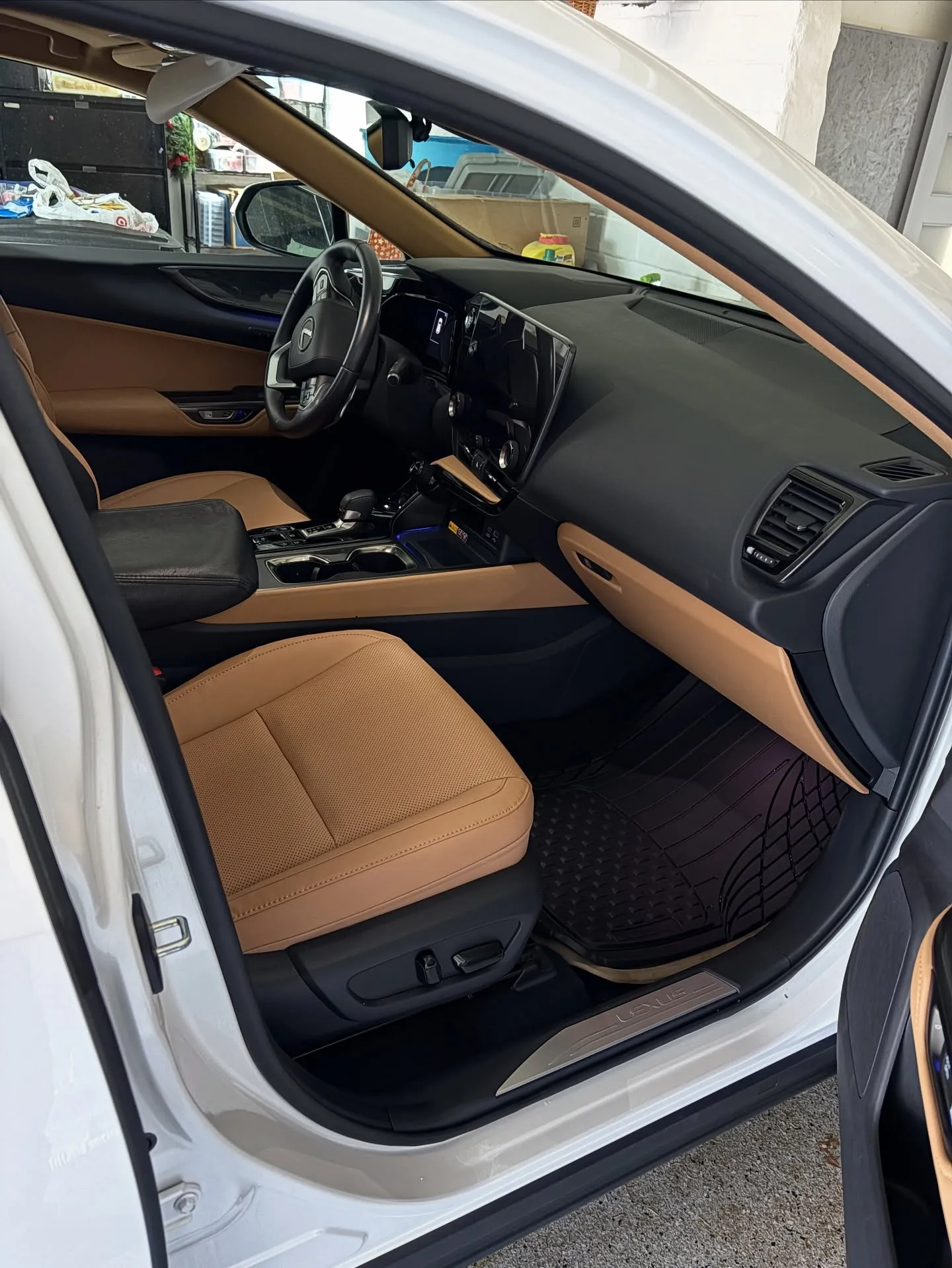
Check the interior at the same time if kids, pets, or summer trips are keeping the vehicle busy. Sap can transfer from shoes and hands to upholstery. For safe seat care, see our guide to cleaning leather car seats.
Bottom line, early action is cheaper and easier than correcting etched paint. Keep it gentle. If the spot won’t release, put the towel down and let a detailer inspect it.
Where we detail, and what you need ready
Noble Detailing is fully mobile, so we perform the work where your vehicle is parked within our service area.
We cover Des Moines plus West Des Moines, Urbandale, Ankeny, Waukee, Johnston, Clive.
- A driveway or parking space with room to work safely
- Access to water or power when the scheduled service requires it
- The vehicle keys during the appointment
- The vehicle moved out of the garage before we arrive
Our standard travel area reaches 30 miles from our Beaverdale and Drake home base. Appointments beyond that radius may be possible with a trip fee confirmed before booking.
Questions we actually get asked
Can tree sap permanently damage clear coat?
Yes. Sap can stain or etch clear coat after extended exposure, especially when sunlight repeatedly heats the panel. Removing the deposit may leave an outline that needs machine polishing. Severe etching, cracking, or paint failure may require body shop evaluation rather than detailing alone.
Will a clay bar remove hardened tree sap?
A clay bar can remove light residue after the main deposit has been softened and washed away. It shouldn’t be forced over a thick, hard blob. That can drag grit across the finish and leave marring that later needs polishing.
Can you remove tree sap at my home or workplace?
Yes. Noble Detailing is mobile and works at homes and suitable workplace parking areas. We need permission to work on the property, enough room around the vehicle, and access to the keys. Water or power access depends on the service scheduled.
How far will you travel for mobile tree sap removal?
Our normal service radius is 30 miles from the Beaverdale and Drake home base area. Work beyond that range may be available with a trip fee. We confirm travel details and pricing before the appointment.
Do you provide mobile service in Urbandale, Ankeny, and Johnston?
Yes, those areas are commonly part of our weekly routes when the address falls within the standard radius. Appointment timing depends on drive time, weather, service length, and other jobs already scheduled that day.
Does ceramic coating prevent tree sap from sticking?
No coating makes paint sap-proof. A ceramic coating can add slickness and chemical resistance, which may make fresh contamination easier to clean. Sap should still be removed promptly with coating-safe products and gentle towels.
Sources worth reading
Fresh sap often comes off with a patient wash, a paint-safe remover, and almost no pressure. Hardened deposits are different. They may need chemical decontamination, clay, or polishing to restore an even finish.
Call Noble Detailing at +1 515-721-1738 for mobile service across the metro. Check our Google Business Profile reviews, then book an appointment so we can inspect the paint and choose the safest fix.
Want this done in your own driveway?
Tell us the vehicle, your zip and what you're after. We bring the truck, the water and the power to you anywhere in Des Moines and up to 30 miles out.
I've been detailing vehicles across Des Moines since 2019, I'm trained in professional ceramic coating application and multi-stage paint correction, and I've personally worked on well over 1,500 cars, trucks, boats and RVs in this metro. I live here. I drive the same salted winter roads you do.