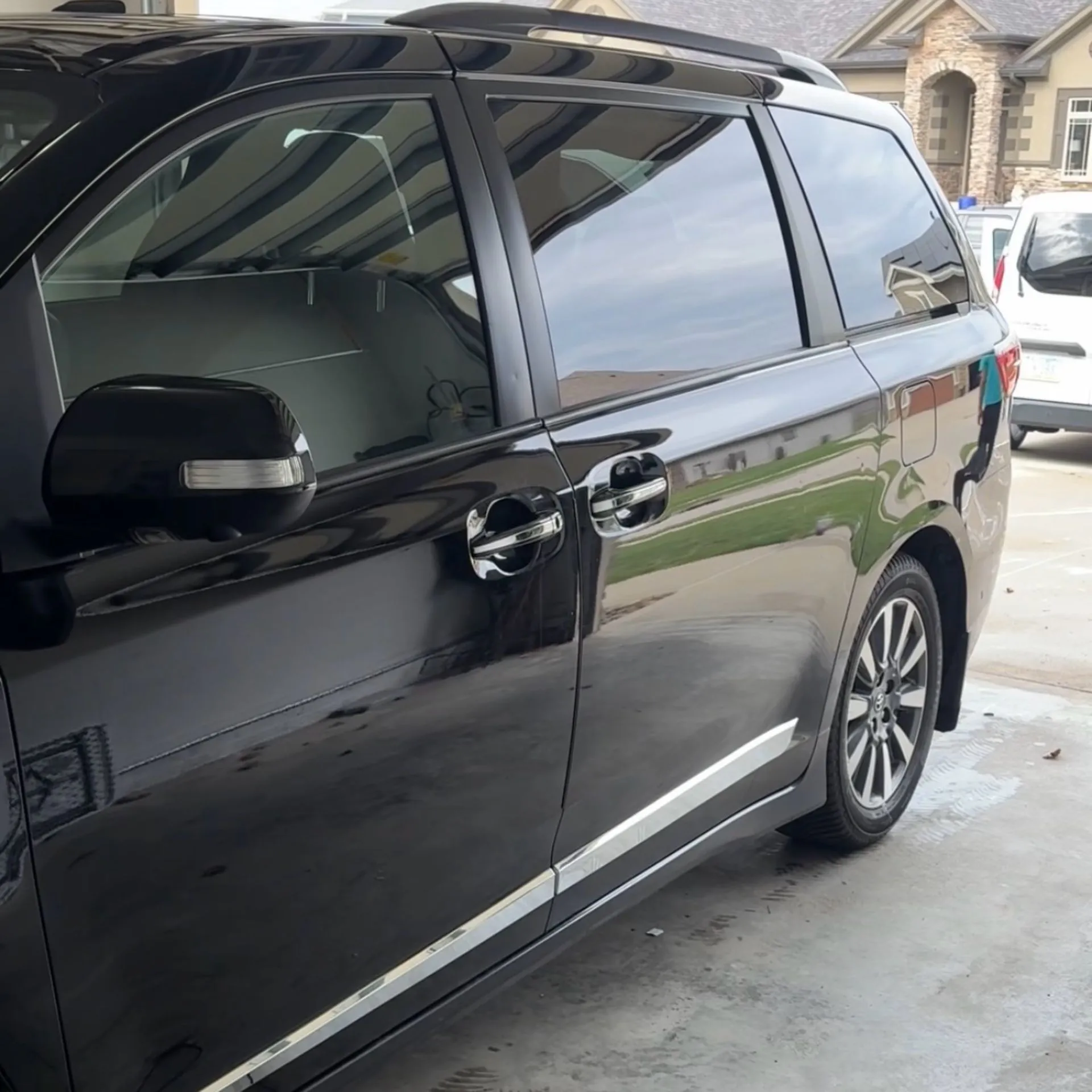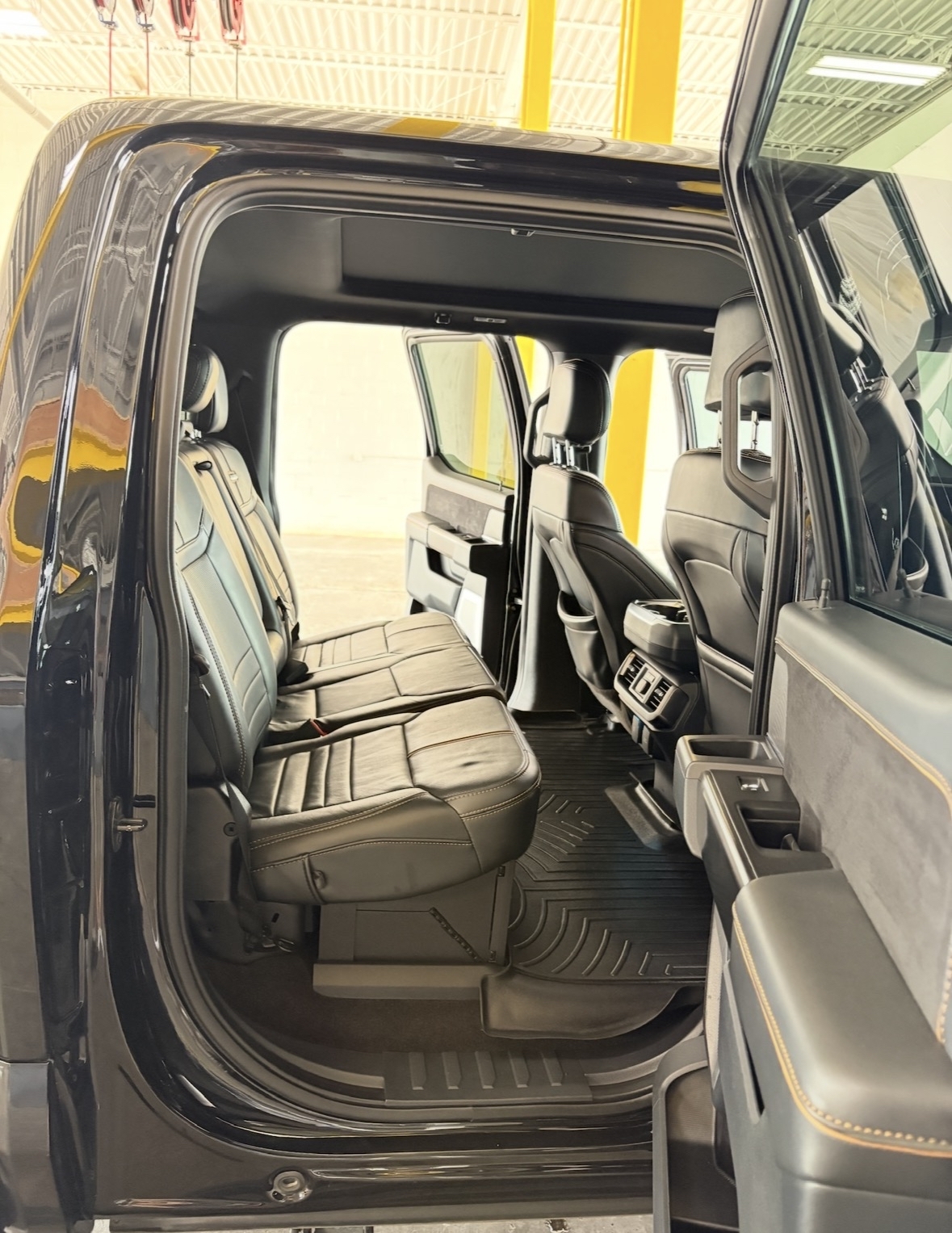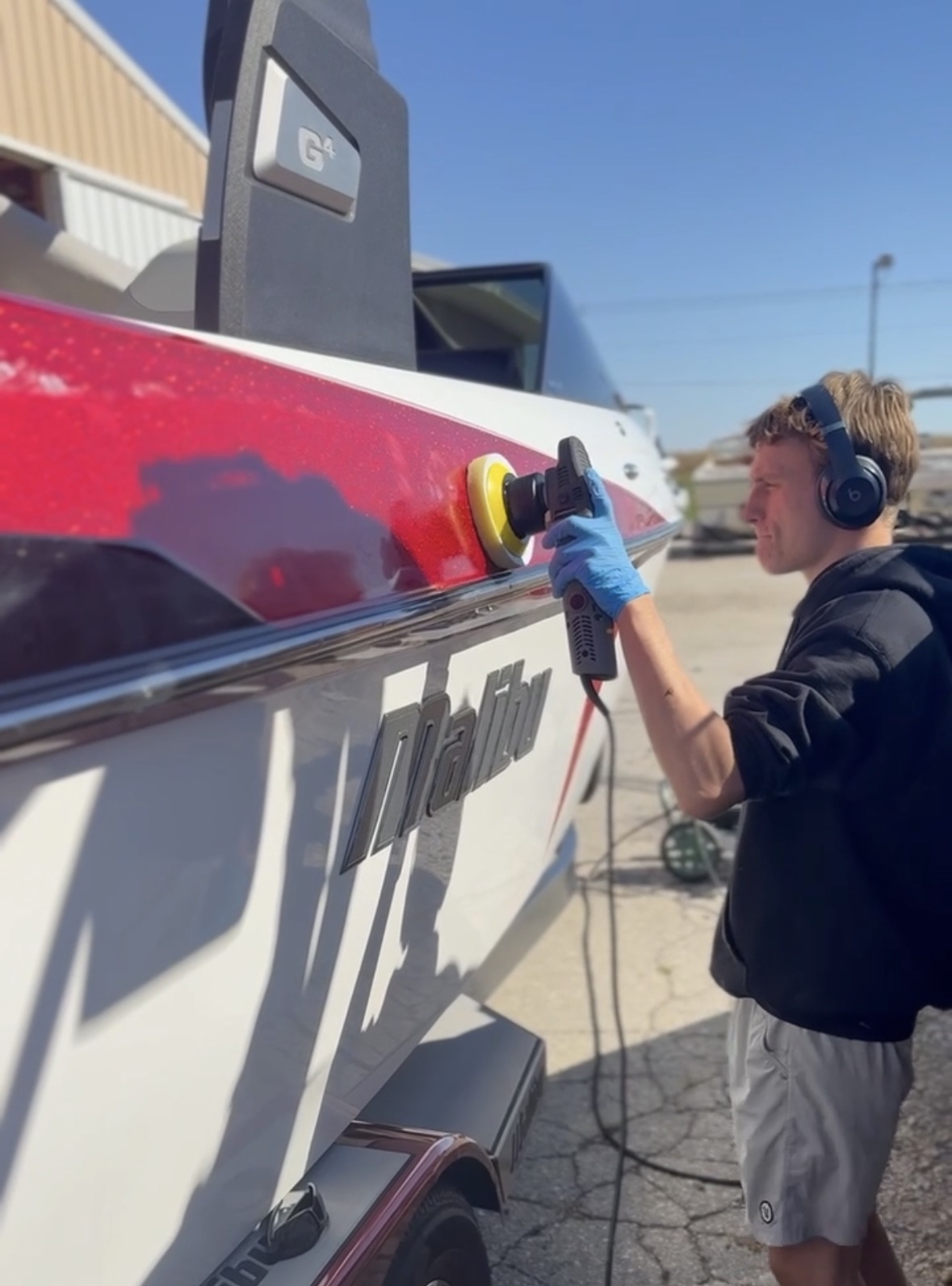
A ceramic coating makes paint care easier. It doesn’t make your vehicle maintenance-free.
Good ceramic coating maintenance comes down to safe washing, careful drying, quick contamination removal, and products that won’t clog or damage the coating. Follow a steady routine and you’ll preserve the slick feel, deep gloss, and water behavior you paid for.
I’ve been detailing vehicles across Des Moines since 2019, and the neglected coatings I see usually didn’t fail overnight. They slowly became buried under road film, minerals, salt, and random products that left residue behind.
- Hand wash every one to two weeks with a pH-neutral automotive soap.
- Dry with clean microfiber towels or filtered air instead of letting water evaporate.
- Remove bugs, bird droppings, road film, and bonded contamination before they sit too long.
- Skip brush washes, harsh cleaners, abrasive polishes, and mystery spray waxes.
The simple maintenance routine
For most daily drivers, wash the vehicle every one to two weeks. You may need to wash sooner after snow, heavy rain, gravel roads, bug-heavy highway driving, or a long stretch on I-235. A garage-kept weekend car can usually go longer.
Here’s the basic routine. Rinse away loose dirt, wash from the top down, rinse again, then dry every painted surface. Inspect the lower doors, rear bumper, mirrors, wheels, and areas behind the tires because grime builds fastest there.
- Clean the wheels and tires with separate tools.
- Rinse the body thoroughly, including lower panels and wheel arches.
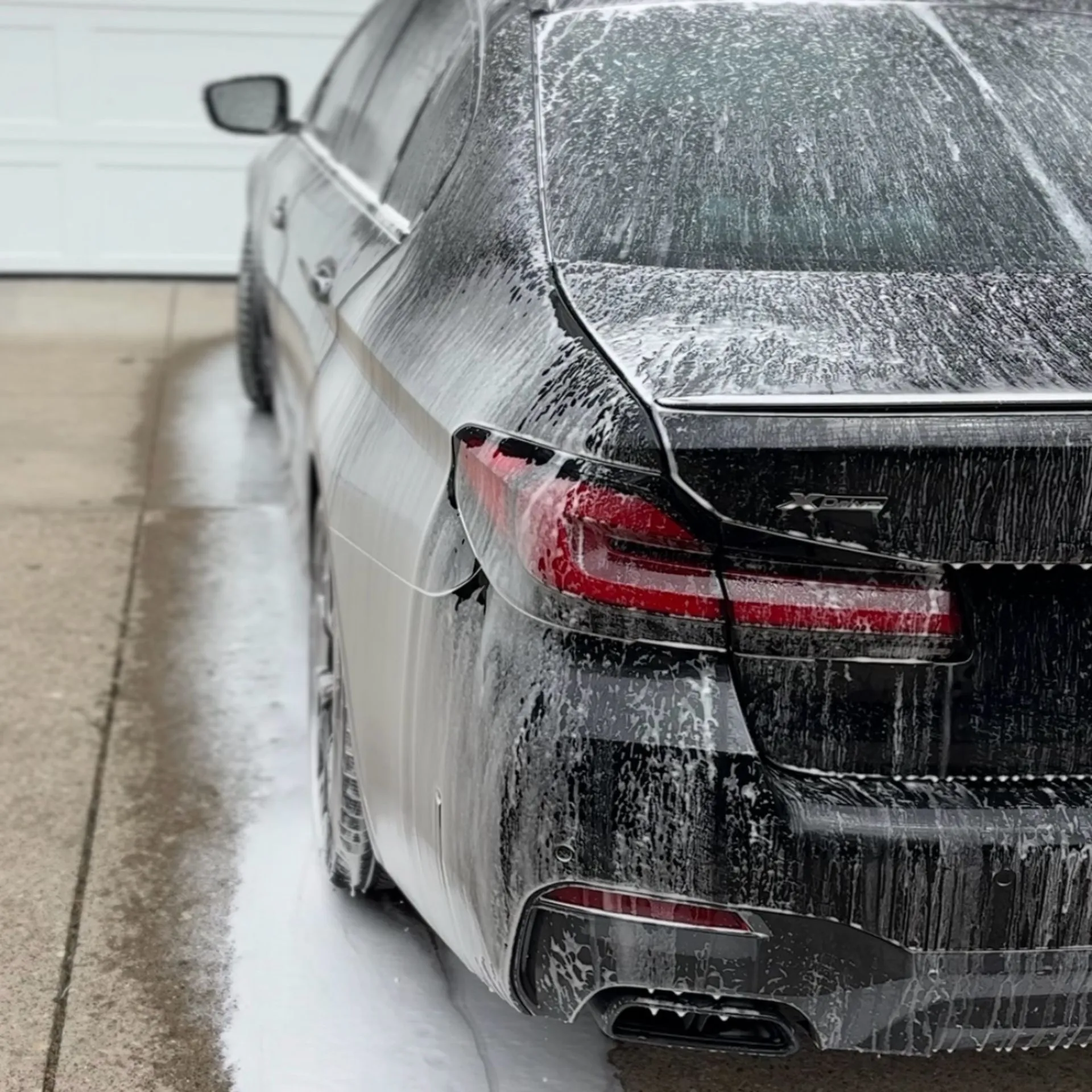
- Apply foam or soap to soften stuck-on grime.
- Hand wash from the roof down with light pressure.
- Rinse until no soap remains in trim gaps or badges.
- Dry the paint, glass, jambs, and exterior trim.
- Check for bugs, droppings, rough spots, and missed water.
Regular care matters more than chasing a perfect wash schedule. If the vehicle is visibly dirty, wash it. Leaving a dirty coating alone because you’re worried about touching it can create a tougher cleanup later.
Wash without adding swirl marks
The biggest risk during washing is dragging grit across the clear coat. Ceramic protection can resist chemicals and make contamination easier to release, but it won’t stop a dirty towel or brush from scratching paint.
Use a two-bucket setup if possible. Keep shampoo in one bucket and plain rinse water in the other, with a grit guard at the bottom. Rinse your wash mitt often, and switch to a fresh mitt if you drop it.
- A pH-neutral automotive shampoo with no added wax
- A soft microfiber or wool wash mitt
- Two clean buckets with grit guards
- Dedicated wheel brushes and towels
- A pressure washer or hose with a gentle spray pattern
- Several clean, high-pile drying towels
Skip tunnel washes with spinning brushes. Those brushes hold dirt from hundreds of vehicles, and a coating can’t prevent the swirl marks they may leave.
A touchless automatic wash is the less risky emergency option, but the detergents can be strong and the drying is often incomplete. It’s fine once in a while. I wouldn’t make it the main maintenance plan for a coated vehicle.
Dry the vehicle before water can spot
Don’t let the vehicle air-dry in direct sun. Tap water contains minerals, and those minerals stay on the surface after the water evaporates. The coating may give you more time to react, but it isn’t a force field.
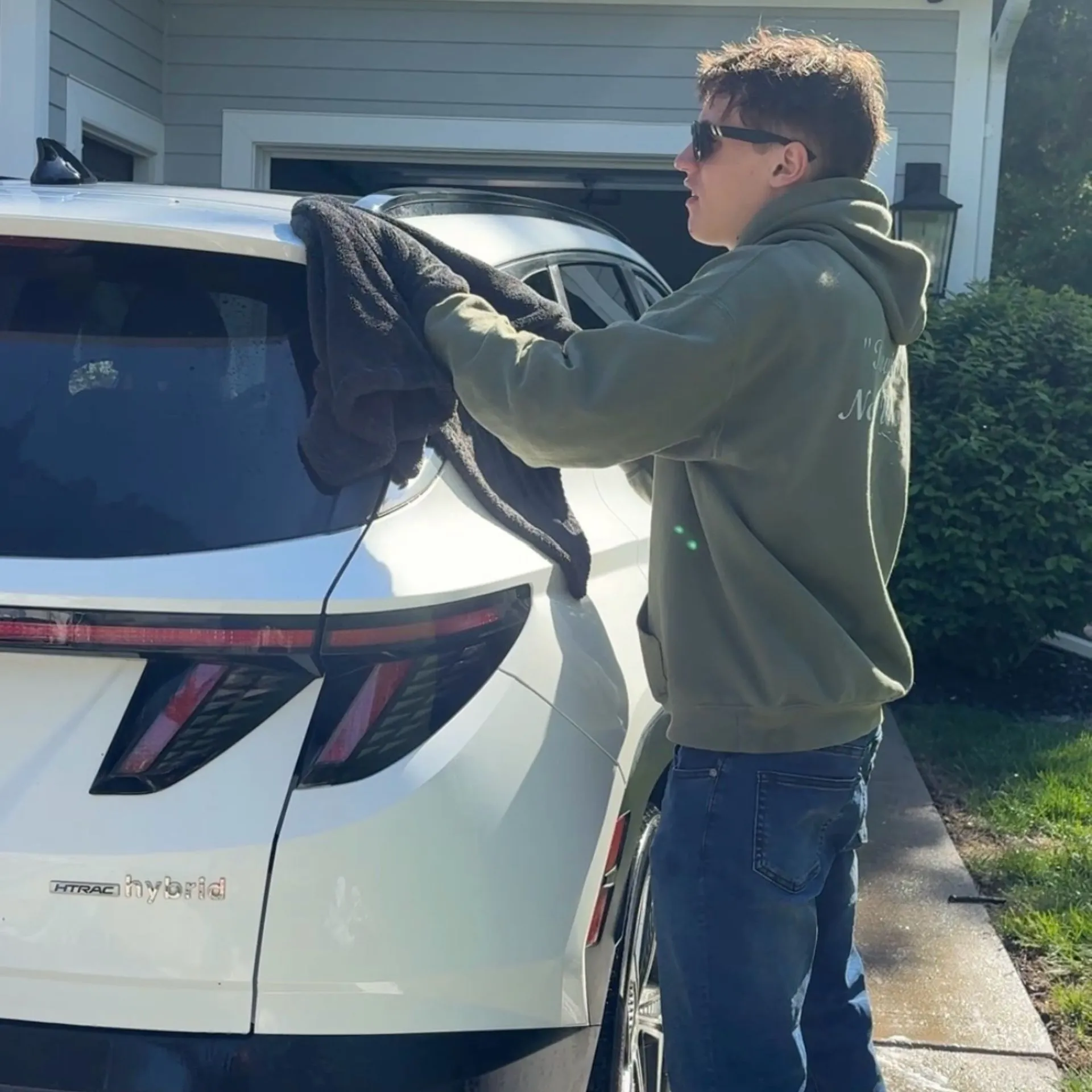
Use a large microfiber drying towel with gentle, straight passes. You can lay the towel over a panel and lightly pull it toward you. Don’t grind it into the paint or keep using it after it becomes dirty.
A filtered car dryer or leaf blower can push water out of mirrors, badges, trim, lug holes, and panel gaps. Blow from the top down, then finish any remaining water with a towel. Keep the blower intake away from dusty ground.
What about a drying aid?
A coating-compatible drying aid can add lubrication and reduce towel drag. Use very little. Too much product can cause streaks, attract dust, or hide the coating’s natural water behavior under a layer of residue.
Choose products that play well with the coating
Look, you don’t need a shelf full of chemicals. A neutral shampoo, safe wheel cleaner, bug remover, iron remover, microfiber detergent, and an approved coating topper will handle most maintenance jobs.
The best product is often the mildest one that can remove the contamination without repeated scrubbing.
- Dish soap, household degreasers, and strong all-purpose cleaners
- Cleaner waxes, abrasive polishes, and compounds unless correction is planned
- Spray waxes with unknown fillers or heavy silicone residue
- Acidic wheel cleaners used on paint
- Magic erasers, rough sponges, and clay bars used without lubrication
Use a topper only if it’s intended for ceramic protection. Some toppers refresh slickness and water behavior. Applying them too often can create a smeary film, so follow the label instead of adding another layer every weekend.
If you’re not sure what was installed, ask the coating installer before mixing product systems. For a look at our coating options and aftercare approach, see professional ceramic coating services.
Want the coating washed and checked properly? [Book mobile service](/contact) or call +1 515-721-1738.
Remove contamination before it takes over
Bird droppings, bug remains, road paint, pollen, salt, and organic debris shouldn’t sit for weeks. Remove fresh contamination quickly with a coating-safe cleaner and a soft microfiber towel. Soak first. Scrubbing is where damage starts.
When the paint feels rough
After washing, place your hand inside a clean plastic bag and lightly feel the paint. If it feels gritty, bonded particles may be stuck to the coating. An iron remover can dissolve metallic contamination without aggressive rubbing.
A clay bar can remove what chemical decon leaves behind, but clay is abrasive. It can mar softer paint and may reduce the coating’s performance. Use a fine-grade clay towel with plenty of lubrication, or let a professional inspect the surface first.
Sticky organic residue needs its own approach. Our tree sap cleanup guide explains why softening the material is safer than picking at it.
And keep interior chemicals separate from exterior towels and tools. If wash day includes the cabin, our guide to cleaning leather seats safely covers a gentler process for coated leather and upholstery.
What weak water behavior really means
Water that stops beading doesn’t always mean the ceramic layer is gone. Road film, detergent residue, mineral deposits, oils, and excess toppers can block the surface. The coating may still be underneath, doing its job.
Start with a proper wash and thorough rinse. If performance stays flat, try a coating-safe decontamination wash or iron treatment according to the product directions. Test a small section before treating the entire vehicle.
Beading looks cool, but fast, even water sheeting matters too. Judge the coating on clean paint, not on a vehicle covered in three weeks of road film.
If one panel acts differently from the rest, inspect it for residue or previous body work. If the whole vehicle stays grabby and flat after decontamination, the coating may need a professional assessment or maintenance treatment.
Don’t polish the paint just to restore beading. Polishing removes material and can reduce or remove the coating. If correction is needed, it should be a planned service, not a casual wash-day experiment.
Build a schedule you can actually follow
A simple calendar beats random deep cleaning. Wash every one to two weeks, inspect contamination during each wash, and perform chemical decon only when the paint needs it. Over-treating the surface wastes product and can create new problems.
- Every one to two weeks: safe wash and full dry
- After highway trips: inspect the bumper, mirrors, windshield edge, and rocker panels
- After winter storms: rinse salt from paint, wheels, wheel arches, and lower panels
- Every few months: inspect slickness, water behavior, and bonded contamination
- As recommended by the installer: apply a compatible topper or schedule a maintenance wash
I’m trained in professional coating application and multi-stage paint correction, and I’ve personally worked on well over 1,500 cars, trucks, boats, and RVs in this metro. Truth is, steady basic care usually outperforms occasional aggressive cleaning.
If you’d rather hand off the routine, a mobile maintenance plan keeps the wash method and products consistent. We bring the equipment to you, inspect the coating, and work around the condition of the vehicle instead of forcing the same chemical process every time.
We’re usually out in Waukee on weekday mornings and often route through Clive later in the week. Scheduling nearby jobs together helps us keep mobile service practical without turning your appointment into an all-day arrival window.
Where we detail, and what you need ready
Noble Detailing is fully mobile, so we perform coating maintenance at your home or workplace with the vehicle parked in a safe work area.
We cover Des Moines plus West Des Moines, Urbandale, Ankeny, Waukee, Johnston, Clive.
- Enough space around the vehicle for our hoses, tools, and safe movement
- Access to water or power when requested for the scheduled service
- The vehicle keys available at the start of the appointment
- The vehicle moved out of the garage before we arrive, unless indoor work was approved in advance
Our standard service radius is 30 miles from our Beaverdale and Drake-side home base. Jobs beyond that radius may be possible with a trip fee confirmed before booking.
Questions we actually get asked
How often should I wash a ceramic-coated vehicle?
Most daily drivers should be washed every one to two weeks. Wash sooner after winter road treatment, bug-heavy trips, bird droppings, muddy roads, or visible road film.
Can I take a ceramic-coated car through an automatic wash?
A touchless wash is acceptable occasionally, but strong detergents and incomplete drying may reduce slickness or leave residue. Avoid spinning-brush washes because trapped grit can create swirl marks.
Why has my ceramic coating stopped beading?
The surface may be clogged with road film, minerals, detergent residue, or excess topper. Start with a safe wash and coating-approved decontamination before assuming the coating has failed.
Can you maintain my coating if another detailer installed it?
Usually, yes. We’ll ask what product was installed, inspect the paint, and choose compatible maintenance products. If the coating brand is unknown, we start conservatively and test before treating the full vehicle.
Do I need to bring my vehicle anywhere for service?
No. Noble Detailing comes to your home or workplace. We need a safe parking area, access to the keys, and any water or power access discussed while scheduling.
Do you provide mobile coating maintenance in Waukee and Clive?
Yes, both are commonly within our 30-mile service radius. Appointment availability depends on routing, vehicle condition, and the service requested. Trip fees may apply beyond the standard radius.
Sources worth reading
A coating earns its keep when it’s maintained with gentle, repeatable habits. Wash before grime piles up, dry the paint fully, remove contamination early, and use products made for protected surfaces.
Noble Detailing provides mobile coating care throughout the Des Moines metro service area. Read our Google Business Profile reviews, then book when you’re ready for an inspection or maintenance service.
Want this done in your own driveway?
Tell us the vehicle, your zip and what you're after. We bring the truck, the water and the power to you anywhere in Des Moines and up to 30 miles out.
I've been detailing vehicles across Des Moines since 2019, I'm trained in professional ceramic coating application and multi-stage paint correction, and I've personally worked on well over 1,500 cars, trucks, boats and RVs in this metro. I live here. I drive the same salted winter roads you do.