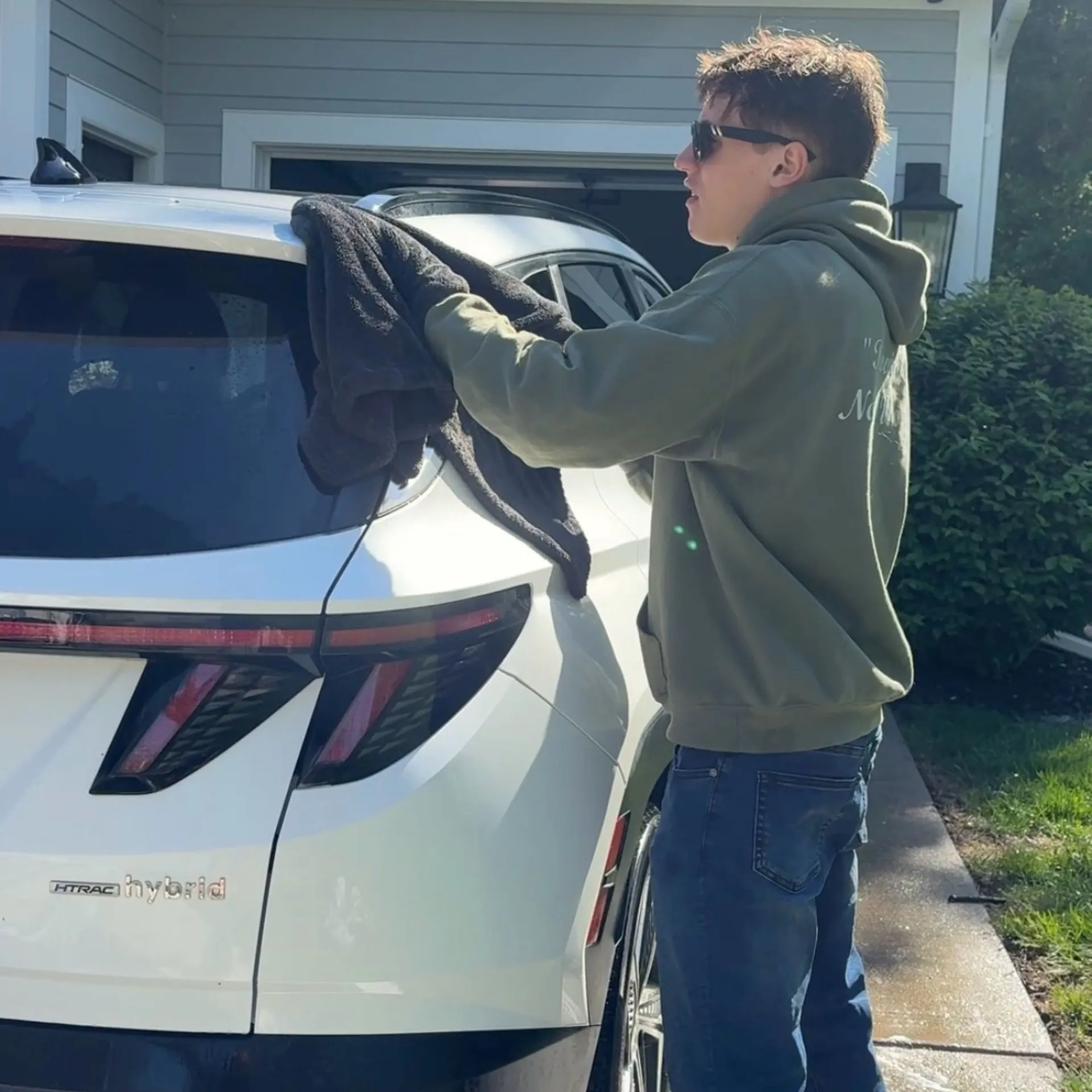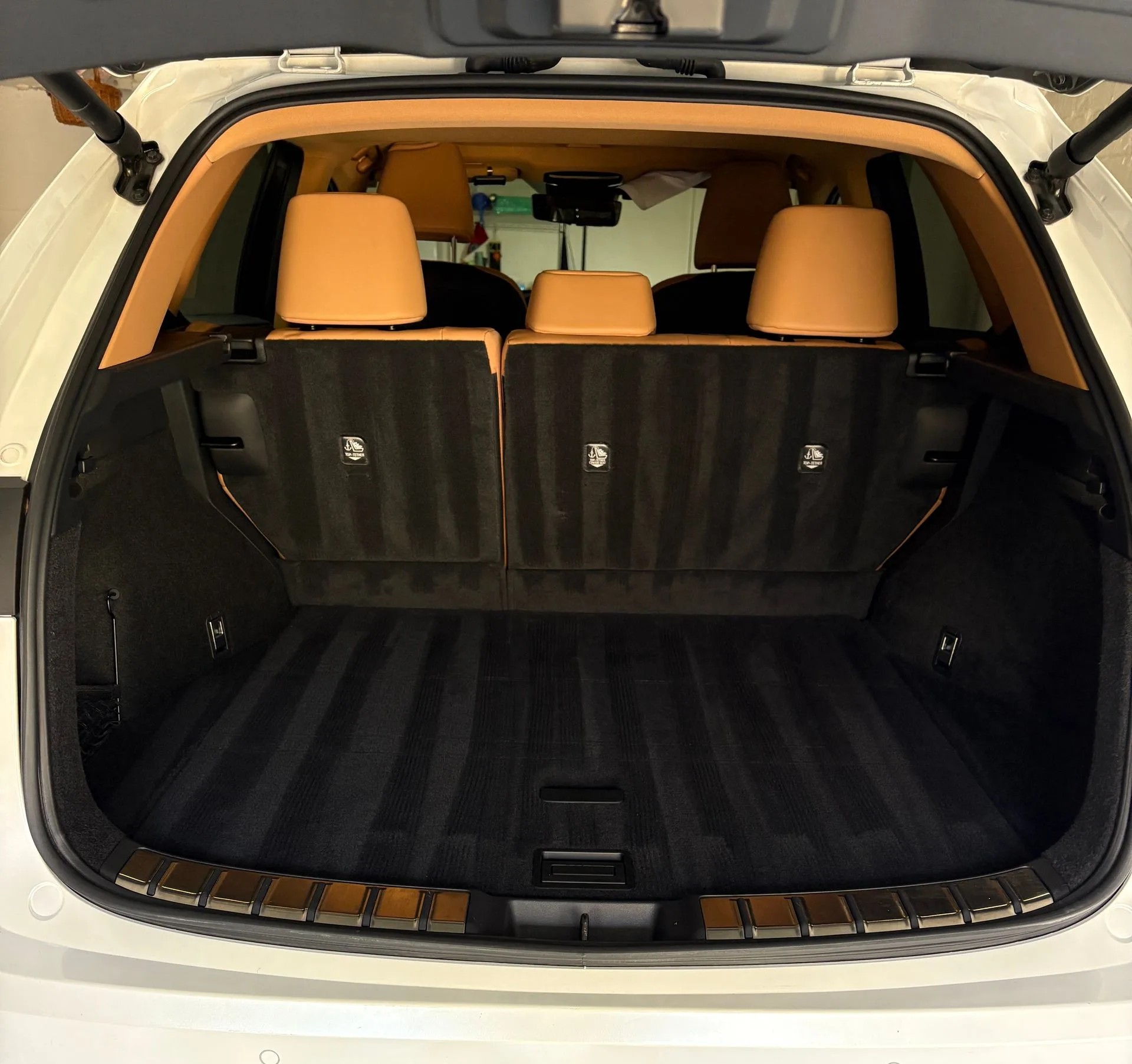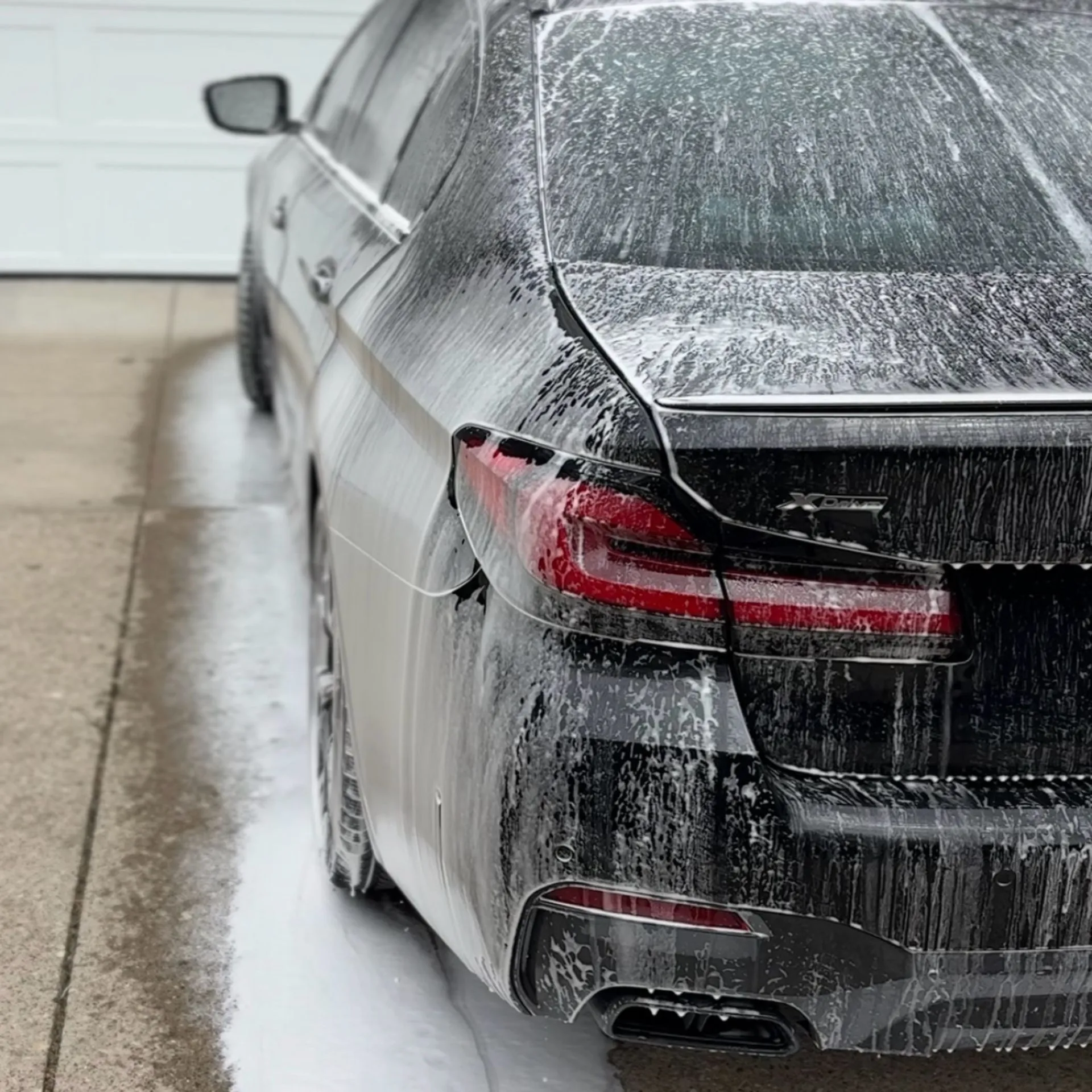
Swirl marks can make clean paint look dull under sunlight. The good news is that most paint correction swirl marks can be greatly reduced with proper machine polishing.
I’ve been detailing vehicles across Des Moines since 2019, and I’ve personally worked on well over 1,500 cars, trucks, boats, and RVs. Swirls are among the most common paint problems I see. They don’t come from age alone. Most are slowly added through washing, drying, and everyday contact with the clear coat.
Here’s what causes them, how correction works, and what kind of finish you can realistically expect.
- Swirl marks are fine scratches, usually caused by poor washing and drying.
- Paint correction levels the clear coat around defects to restore clarity and gloss.
- A single-stage correction improves lighter damage. Multi-stage correction targets deeper defects.
- Safe hand washing helps keep corrected paint looking better for longer.
What actually causes swirl marks?
Swirl marks are thousands of fine scratches in the vehicle’s clear coat. They look circular under direct sunlight because the light reflects from scratches running in many directions. The washing motion isn’t always circular, even though the finished damage looks that way.
Dirt is abrasive. If a brush, towel, or wash mitt drags that dirt across the paint, it can leave a scratch. One scratch is hard to notice. Repeat that process every week and the finish starts looking gray, cloudy, or covered in spiderwebs.
The most common causes
- Drive-through washes with spinning brushes that contact many dirty vehicles
- Automatic washes that reuse contaminated cloth strips
- Washing with one bucket and putting a dirty mitt back into the soap
- Using household sponges, bath towels, or old T-shirts on paint
- Dry wiping dust, pollen, road salt, or bird droppings
- Using dirty microfiber towels or towels with hardened debris in the fibers
- Leaning against the paint or brushing snow off with stiff tools
Touchless washes reduce brush contact, but strong chemicals don’t always remove the bonded film left behind. You may still end up rubbing the remaining grime during drying. Clean technique matters from the first rinse through the final towel pass.
How paint correction fixes the damage
Paint correction doesn’t fill scratches with a shiny product. It uses a polishing machine, pads, and abrasives to remove a very small amount of clear coat around each defect. Leveling that surrounding surface allows light to reflect more evenly, which restores clarity and gloss.
The process starts with a clean surface. We wash, remove iron contamination, and clay the paint when needed. Polishing dirty or rough paint would trap contamination under the pad and create more damage.
Next comes a test spot. I match the least aggressive pad and polish that can produce a worthwhile result. That matters because clear coat is limited. The goal isn’t to chase every mark at the expense of long-term paint health.
A scratch that catches your fingernail may be too deep to remove safely. Correction can soften its appearance, but sanding or repainting may be the better answer.
Single-stage vs. multi-stage correction
A single-stage correction uses one polishing step across the paint. It’s a strong choice for light wash marring, mild oxidation, and vehicles that need a noticeable gloss improvement without chasing every deeper defect.
Multi-stage correction separates cutting and finishing. The first stage uses a more aggressive combination to address heavier defects. The finishing stage refines the surface, removes haze from the cutting step, and brings out more clarity.
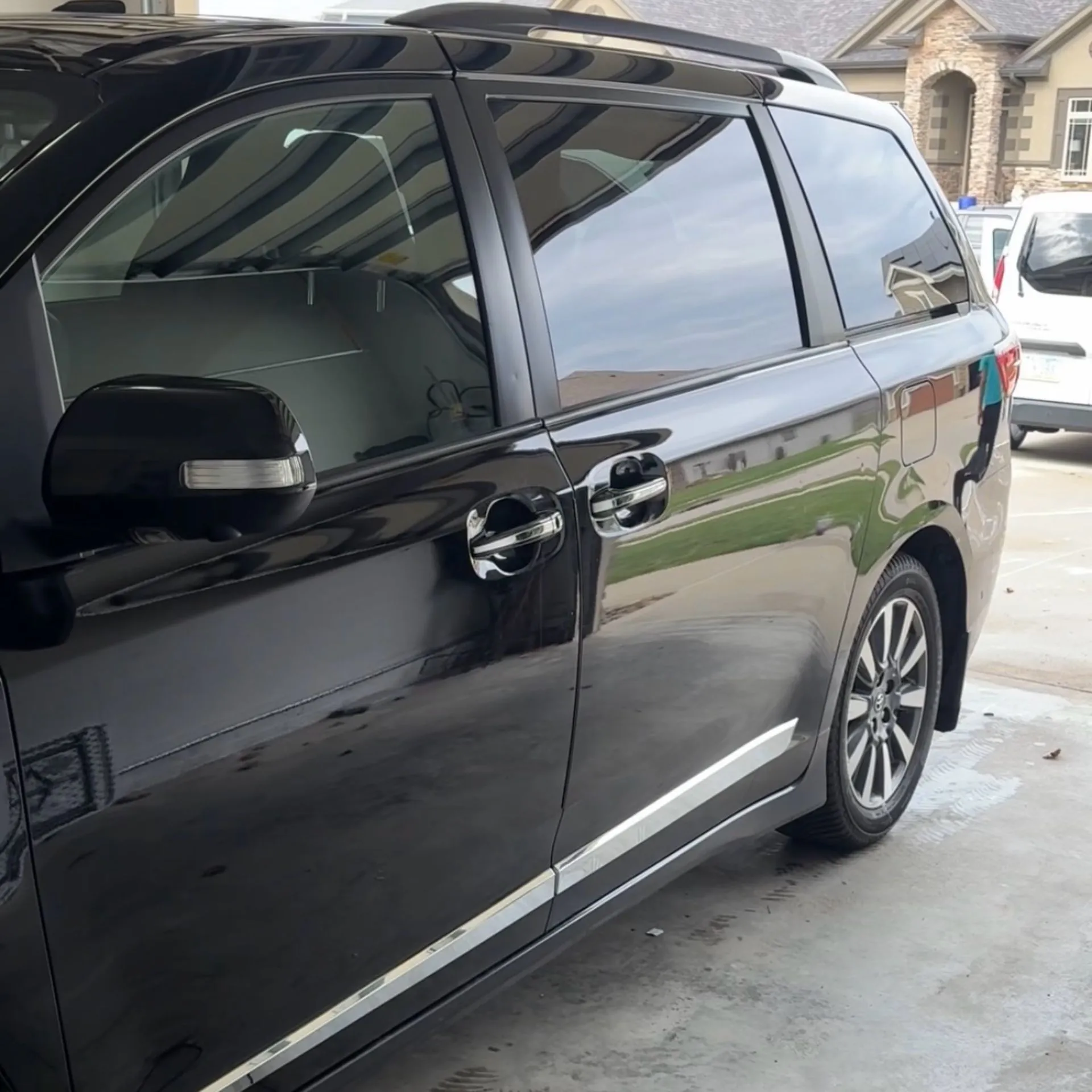
- Choose single-stage correction for lighter swirls, daily drivers, and a solid improvement in gloss.
- Consider multi-stage correction for heavy wash damage, visible haze, deeper scratches, or dark paint that shows every defect.
- Request an inspection if you aren’t sure. Paint type, previous repairs, and clear-coat condition all affect the plan.
Our two-stage paint correction service is aimed at vehicles needing deeper defect removal and a refined finish. You can also look through our paint correction results to see how real vehicles respond.
What results should you expect?
Expect cleaner reflections, richer color, stronger gloss, and far fewer visible swirls. Dark colors often show the biggest change because haze is easy to see on black, navy, and deep red paint.
Results depend on paint thickness, defect depth, paint hardness, previous bodywork, and your goals. A newer vehicle with light dealer-installed swirls may respond quickly. A heavily washed SUV with years of brush damage may need multiple steps, and some defects may remain.
Look, perfection isn’t always the smart target. Leaving a few deep marks is better than thinning the clear coat too far. We’ll talk through that tradeoff before starting, not after the paint has been overworked.
Ready to clear up dull, swirled paint? Call Noble Detailing at +1 515-721-1738 to book.
What happens before and after polishing?
Correction is only as good as the prep. We start with a careful wash, clean the wheels and lower panels, perform iron decon as needed, and use a clay bar when bonded contamination remains. The paint should feel smooth before a polishing pad touches it.
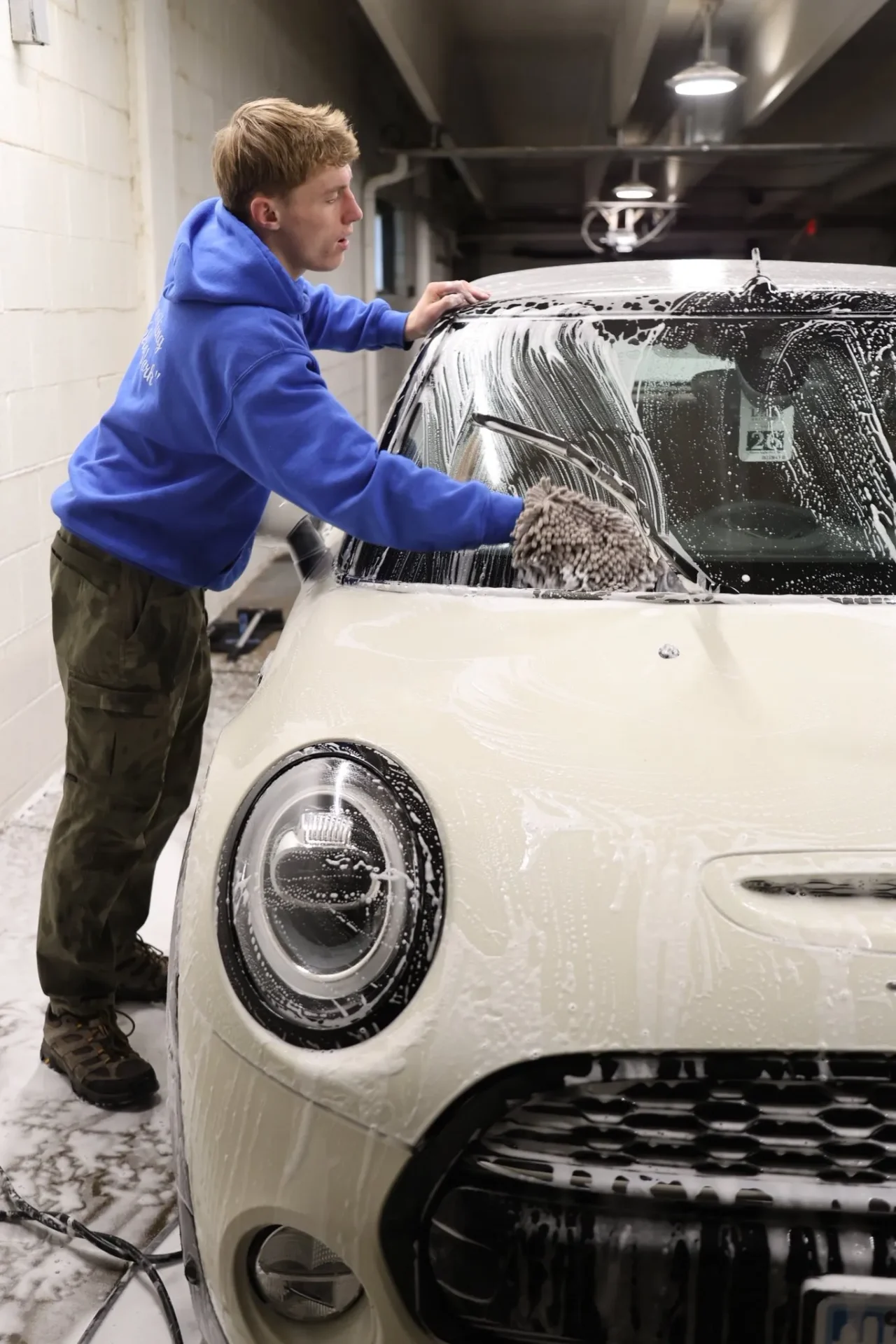
Trim and sensitive edges are protected, then the paint is inspected under focused lighting. After the test spot, each panel is polished using controlled passes. Residue is removed with clean microfiber towels so we can inspect the true finish.
Corrected paint should be protected afterward. That might mean a sealant or ceramic coating, depending on your budget and maintenance habits. Our honest paint protection comparison explains the practical differences without pretending one option fits every vehicle.
A coating can make washing easier and help resist chemical contamination. It doesn’t make clear coat scratch-proof, so wash technique still matters.
How to prevent swirl marks from returning
Corrected paint can be scratched again. The safest routine starts with a thorough rinse, plenty of lubrication, a clean wash mitt, and separate tools for wheels and paint. Never scrub a dry or lightly misted panel.
- Wash out of direct sun when possible.
- Use a two-bucket method or rinse the mitt frequently.
- Work from the cleaner upper panels toward the dirtier lower panels.
- Use straight, light passes instead of heavy pressure.
- Dry with clean, soft microfiber towels and a drying aid.
- Replace towels that feel rough or have debris trapped in them.
Road salt, bugs, sap, and bird droppings shouldn’t sit for weeks. Remove them safely rather than wiping them with a dry towel. Our seasonal exterior care checklist covers practical cleanup after winter grime and changing weather.
How mobile paint correction works
We bring the polishing equipment, lights, pads, products, and paint-safe towels to you. We just need enough working room around the vehicle and a place where weather and direct sun won’t interfere with the finish.
Routing changes by the week, but we’re usually out in Waukee on weekday mornings and Clive later in the week. Scheduling nearby jobs together keeps travel practical while giving correction work the time it needs.
Truth is, correction can’t be rushed. Good lighting, clean pads, and patient polishing matter more than racing around the vehicle.
Where we detail, and what you need ready
Noble Detailing is fully mobile, so we perform the work where your vehicle is parked and bring the detailing equipment with us.
We cover Des Moines plus West Des Moines, Urbandale, Ankeny, Waukee, Johnston, Clive.
- Enough space to work safely around the vehicle
- Access to water or power if the scheduled service requires it
- The keys so we can inspect or reposition the vehicle as needed
- The vehicle moved out of the garage before arrival when indoor working space is too tight
Our standard service radius is 30 miles from our home base on the Beaverdale and Drake side of Des Moines. Jobs beyond that radius may be possible with a trip fee based on distance and scheduling.
Questions we actually get asked
Does paint correction permanently remove swirl marks?
Correction permanently removes or reduces the defects that are safely polished away. New swirl marks can still form later from poor washing, dirty towels, automatic brushes, or dry wiping. Good maintenance is what preserves the corrected finish.
Can paint correction remove every scratch?
No. Light and moderate clear-coat scratches often respond well, but deep scratches may remain. If a scratch has gone through the clear coat or catches a fingernail sharply, chasing it may remove too much surrounding material.
How long does paint correction take?
A single-stage correction may take most of a working day, depending on vehicle size and paint condition. Multi-stage work often takes longer because every panel receives a cutting step, inspection, and finishing step. An inspection gives us a better idea before the appointment.
Can you perform paint correction at my home?
Yes. Noble Detailing is mobile. We need safe working space, access to the vehicle, and suitable weather or covered working conditions. Water or power needs depend on the service setup, so we confirm those details while booking.
Do you provide mobile paint correction outside the hub city?
Yes, when the address is within our normal 30-mile service radius. We regularly route appointments through Waukee and Clive. A trip fee may apply beyond the standard radius, depending on distance and the day’s schedule.
Sources worth reading
Swirls usually build slowly, but the right correction process can bring back the sharp reflections and clean color hiding underneath. The best plan balances visible improvement with the health of your remaining clear coat.
Bottom line, inspect first, polish carefully, and wash safely afterward. Read our Google Business Profile reviews, then contact Noble Detailing to book your mobile paint correction.
Want this done in your own driveway?
Tell us the vehicle, your zip and what you're after. We bring the truck, the water and the power to you anywhere in Des Moines and up to 30 miles out.
I've been detailing vehicles across Des Moines since 2019, I'm trained in professional ceramic coating application and multi-stage paint correction, and I've personally worked on well over 1,500 cars, trucks, boats and RVs in this metro. I live here. I drive the same salted winter roads you do.