
Wax isn't bad. Ceramic isn't magic. The honest ceramic coating vs wax answer depends on how long you keep your vehicle, how often you wash it, and what you expect the protection to do.
I've applied both to daily drivers, work trucks, weekend cars, boats, and RVs. Each has a place. But they behave very differently once sun, road grime, bird droppings, salt, and automatic washes enter the picture.
- Wax is cheaper upfront and gives warm gloss, but it usually lasts weeks or a few months.
- A ceramic coating costs more upfront but can protect for years with proper care.
- Neither option prevents rock chips, dents, or every scratch.
- Choose wax for flexibility. Choose ceramic for easier cleaning and long-term protection.
The quick, honest comparison
Traditional car wax sits on top of the clear coat and leaves a slick, glossy layer. Most waxes use carnauba, synthetic ingredients, or a blend of both. They make paint look better and provide short-term protection from water, grime, and UV exposure.
A ceramic coating uses a liquid resin that cures into a harder, longer-lasting layer. It bonds much more strongly than wax. Our ceramic coating options are meant for owners who want lasting protection and easier washing, not a quick shine that disappears after a few storms.
Which one wins?
- Durability: Ceramic coating wins.
- Lower upfront cost: Wax wins.
- Water behavior: Ceramic coating usually wins.
- Warm, freshly waxed glow: Wax can look fantastic.
- Ease of removal or replacement: Wax wins.
- Long-term ease of cleaning: Ceramic coating wins.
Bottom line, wax is a good temporary protectant. A properly installed coating is a longer commitment with better chemical resistance and much longer service life.
Durability in real driving conditions
A traditional paste or liquid wax may last four to twelve weeks on a daily driver. Garage storage, mild weather, and careful hand washing can stretch that. Strong soap, tunnel washes, hot sun, and winter grime can shorten it fast.
Some products sold as wax contain synthetic sealants and may last longer. That isn't dishonest, but it makes product labels confusing. If a bottle claims six months or more, you're probably looking at a hybrid wax or sealant rather than old-school carnauba.
Professional ceramic coatings commonly have expected service lives measured in years. Actual life still depends on preparation, application, outdoor exposure, mileage, wash habits, and maintenance. A neglected coating can clog with minerals and grime long before the coating itself is fully gone.
A coating is not a force field. It won't stop rock chips, door dings, deep scratches, or careless wash brushes.
Gloss and hydrophobics aren't the same thing
People often judge protection by water beads. Tight beads look great, and a healthy coating usually produces them. But beading alone doesn't prove that paint is well protected. Cheap spray products can bead for a short time too.
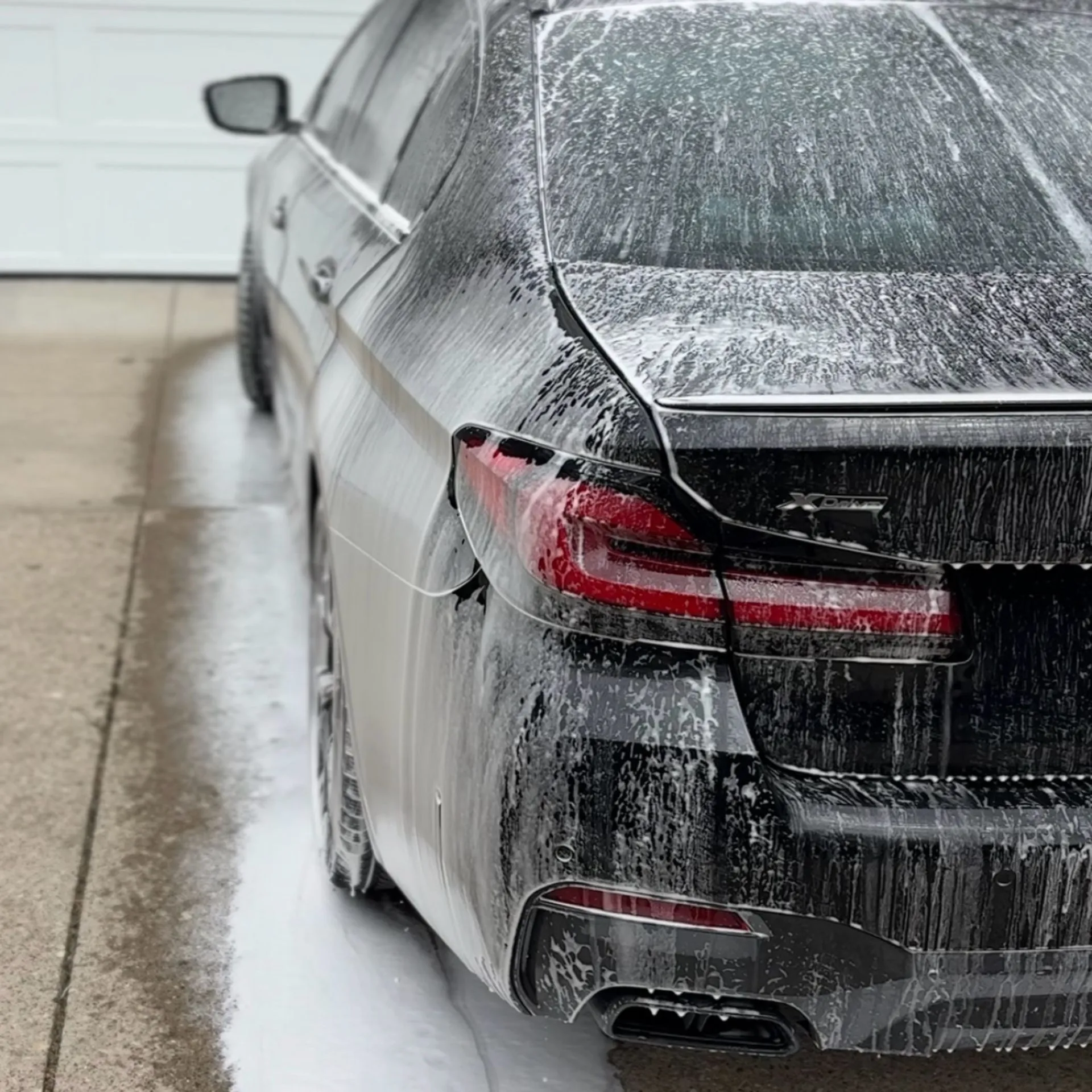
Good hydrophobics help water and loose dirt leave the surface. That can make regular washing easier. Water still contains minerals, though. If beads dry under the sun, they can leave spots on waxed or coated paint.
Gloss is even trickier. Most of the deep shine comes from smooth paint, not the last product applied. Swirl marks scatter light. Paint correction removes or reduces those defects, which is why a 2-stage paint correction can change the finish more than coating alone.
Wax can add a warm glow, especially on dark colors. Ceramic tends to look sharper and glassier. Both look best over properly washed, decontaminated, and polished paint.
What each option really costs per year
Look, wax wins on the first invoice. A bottle of consumer wax may cost $20 to $50, and you can apply it yourself. The catch is time. Proper washing, drying, application, curing, and buffing may need to happen several times each year.
A simple three-year example
Imagine professional wax protection costs $150 to $300 per application and you do it two to four times yearly. That comes to roughly $300 to $1,200 per year. Those are example numbers, not a quote. Vehicle size, paint condition, prep, and the exact service all change the price.
Now imagine a coating package costs $900 to $1,800 and provides about three years of service with proper care. Spread across that period, the upfront cost works out to roughly $300 to $600 per year before routine washing and maintenance. Heavy correction can raise the initial price because polishing takes real time.
DIY wax is still the cheapest choice if you enjoy the work and don't count your labor. Ceramic starts making financial sense when you value time, keep the vehicle for several years, and want protection that doesn't need constant reapplication.
Want an honest recommendation for your paint? Call Noble Detailing at +1 515-721-1738.
Who should choose wax or ceramic?
Wax is right for you if:
- You enjoy applying protection by hand.
- You change products often and like testing new finishes.
- The vehicle is stored indoors and driven occasionally.
- You want the lowest upfront cost.
- You plan to sell the vehicle soon.
Ceramic coating is right for you if:
- You plan to keep the vehicle for several years.
- You want easier removal of bugs, grime, and bird droppings.
- You prefer less frequent protection work.
- You can follow a safe hand-wash routine.
- You understand that long-term protection still needs maintenance.
Truth is, I won't recommend a coating for every vehicle. Sometimes a good exterior detail and wax are the smarter use of your money.
Preparation and maintenance matter more than hype
A coating locks in the condition underneath it. If the paint has bonded contamination, old wax, water spots, or swirl marks, those issues need attention first. Prep may include a contact wash, iron decon, clay bar treatment, machine polishing, and a final panel wipe.
I've been detailing vehicles across Des Moines since 2019. I'm trained in professional coating application and multi-stage paint correction, and I've personally worked on well over 1,500 cars, trucks, boats, and RVs in this metro. That experience has taught me that rushed prep shows later.
After installation, use a pH-balanced soap, clean wash media, and a safe two-bucket or rinseless process. Dry the vehicle instead of letting hard water bake on it. Our maintenance plans can help if you want consistent care without managing every wash yourself.
Cold weather creates its own problems. Our Winter Car Detailing Des Moines Guide | Noble Detailing explains how salt, slush, and freezing temperatures affect your wash routine.
How mobile coating service fits your schedule
We bring the detailing setup to you. We're usually out in Urbandale on weekday mornings, then route through West Des Moines later in the day. Ankeny appointments are often grouped when the schedule allows, which helps us spend less time driving and more time working.
Coating work needs enough time, safe working space, and weather control. Some jobs can be completed in a driveway under suitable conditions. Others need an enclosed garage provided by the customer so the paint stays dry and clean while the coating cures.
If you're wondering what an appointment looks like from arrival through final inspection, read How Mobile Detailing Works in Des Moines | Noble Detailing.
Weather matters. We may adjust a coating appointment if temperature, wind, rain, or humidity would interfere with proper application and curing.
Where we detail, and what you need ready
Noble Detailing is fully mobile, so we bring the equipment and products needed for your appointment.
We cover Des Moines plus West Des Moines, Urbandale, Ankeny, Waukee, Johnston, Clive.
- Enough space around the vehicle for us to work safely.
- Access to water or standard electrical power when requested for the service.
- The vehicle keys at the scheduled start time.
- The vehicle moved out of the garage before arrival, unless the garage is part of the approved coating workspace.
Our normal coverage extends 30 miles from the Beaverdale and Drake home base area. Appointments beyond that radius may be possible with a trip fee.
Questions we actually get asked
Is ceramic coating actually better than wax?
Ceramic coating is better for durability, chemical resistance, water behavior, and easier cleaning. Wax is better for low upfront cost, easy removal, and owners who enjoy applying fresh protection several times a year.
Does ceramic coating prevent scratches and rock chips?
No. It may help with very light wash marring, but it won't stop rock chips, deep scratches, dents, or damage from harsh brushes. Paint protection film is the more suitable product for impact protection.
Can you apply a ceramic coating at my home?
Yes, if there is enough working space and the weather supports safe preparation and application. Some coating jobs require access to a clean, enclosed garage provided by the customer so moisture, wind, and debris don't affect curing.
Do you provide mobile coating service in Urbandale, West Des Moines, and Ankeny?
Yes, those areas are within our normal routing when the appointment falls inside the 30-mile service radius. We group some appointments by area and day. Travel beyond the normal radius may require a trip fee.
How should I wash a ceramic-coated vehicle?
Use a pH-balanced automotive soap, clean microfiber or soft wash media, and a safe two-bucket or rinseless method. Avoid brush tunnels. Dry the paint after washing so mineral-filled water doesn't leave spots.
Sources worth reading
Wax is affordable, flexible, and satisfying if you like frequent hands-on care. Ceramic coating asks for more money and better preparation upfront, but it offers much longer protection, stronger water behavior, and easier routine cleaning.
Noble Detailing serves the metro by appointment at your home or workplace. Read our Google Business Profile reviews, then call +1 515-721-1738 to book.
Want this done in your own driveway?
Tell us the vehicle, your zip and what you're after. We bring the truck, the water and the power to you anywhere in Des Moines and up to 30 miles out.
I've been detailing vehicles across Des Moines since 2019, I'm trained in professional ceramic coating application and multi-stage paint correction, and I've personally worked on well over 1,500 cars, trucks, boats and RVs in this metro. I live here. I drive the same salted winter roads you do.